Blog / Paperwork and law
Third-party vs comprehensive car insurance in Jamaica
Third-party vs comprehensive car insurance in Jamaica: what each pays for, the legal minimum cover, excess and no-claims terms, and what to ask an insurer.
24 February 2026 · Updated 27 October 2026
On this page
If you are buying or renewing motor insurance in Jamaica, settle the legal third-party cover and its liability limits first. Then compare whether you need protection for your own vehicle against collision, theft, fire, weather damage and other stated events. Third-party insurance protects you against covered liability to other people, while third-party fire and theft and comprehensive policies add different forms of protection for the insured vehicle.
What Jamaican law requires before you drive
The Motor Vehicles Insurance (Third-Party Risks) Act makes it unlawful to use, or allow another person to use, a motor vehicle on a road unless third-party insurance or an approved security is in force. The statutory policy must cover liability for death or bodily injury to another person and damage to property caused by, or arising from, use of the vehicle on the road. The Motor Vehicles Insurance Act sets the following minimum limits:
These are minimum statutory limits. The certificate and policy schedule may state higher limits, so read those documents before payment and keep them with your vehicle records.
Third-party liability means the policy responds to covered claims made by other people. It does not automatically pay to repair or replace your own vehicle. Cover for your own vehicle comes through the policy type, the wording, the schedule and any endorsements attached to it.
What each policy type covers
General Accident’s Jamaican motor proposal form describes third-party insurance as legal liability for death, bodily injury and damage to third-party property. It describes third-party fire and theft as that liability cover plus accidental loss or damage to the insured vehicle caused by fire or theft. Its description of comprehensive insurance includes accidental loss or damage to the insured vehicle, along with third-party liability for death, bodily injury and property damage. These descriptions appear in the General Accident motor proposal form, accessed October 27, 2026.
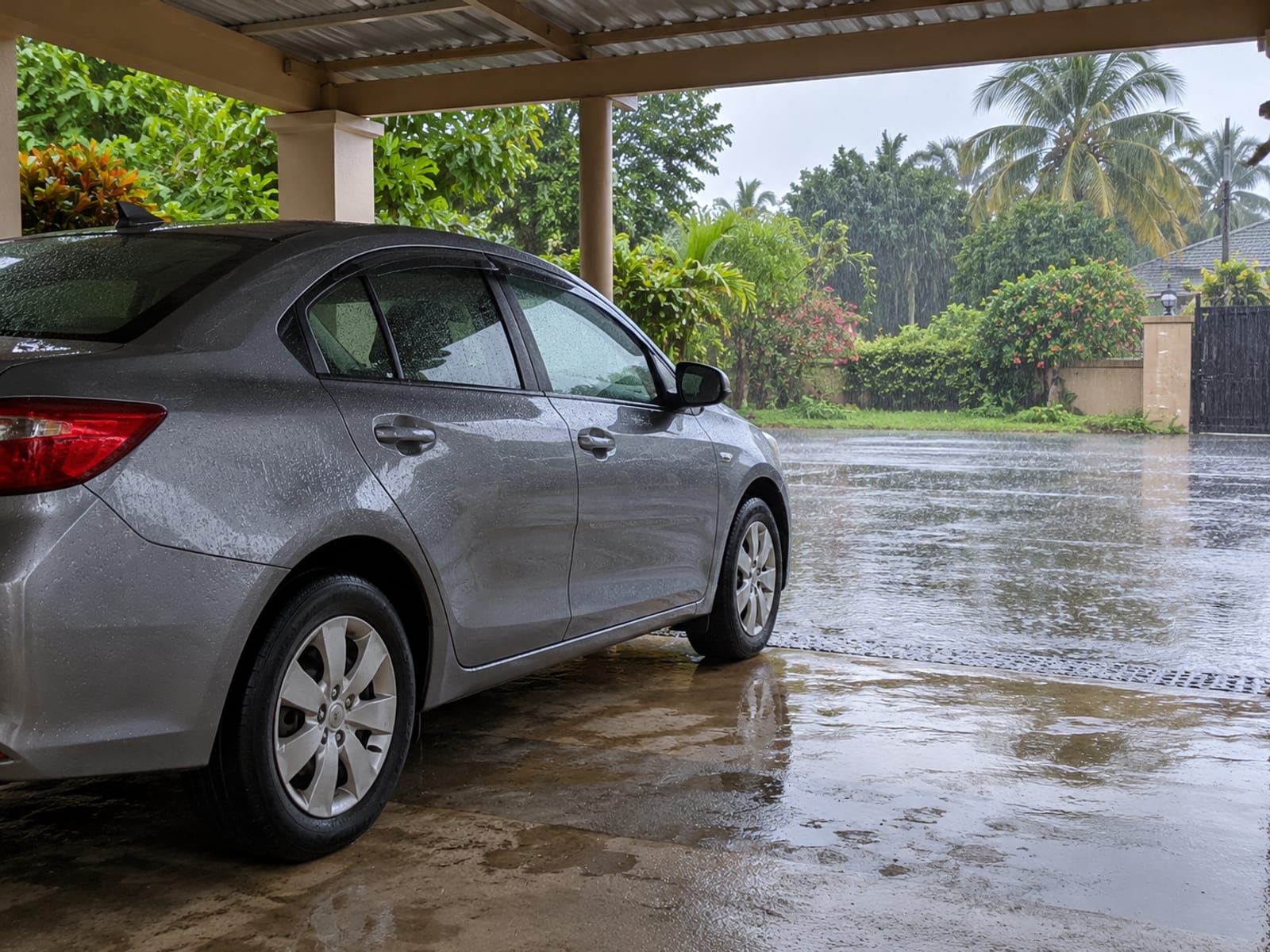 Cover for weather events such as flood or hurricane damage depends on the policy wording.
General Accident’s motor insurance cover descriptions state that third-party-only insurance does not pay for damage to the policyholder’s vehicle. The same page describes third-party fire and theft as adding vehicle theft and fire protection. Comprehensive cover protects the insured vehicle as well as other people’s property, subject to the policy terms.
CG United’s Jamaica motor page gives examples of comprehensive benefits that can include own-vehicle collision damage, theft, fire, hurricane and flood damage, towing after a collision, windscreen protection and alternative transportation. Limits and conditions apply, and the wording can differ between insurers.
The practical difference is straightforward:
- Third-party insurance meets the legal starting point and addresses covered liability to other people.
- Third-party fire and theft adds stated protection for the insured vehicle if fire or theft causes the covered loss.
- Comprehensive insurance adds stated own-vehicle protection, which may include collision and other listed events, while retaining third-party liability cover.
The word “comprehensive” does not mean every possible loss is included. The policy schedule, exclusions, excess, permitted use, driver conditions and claim circumstances decide what the insurer will consider.
What happens if another driver hits you?
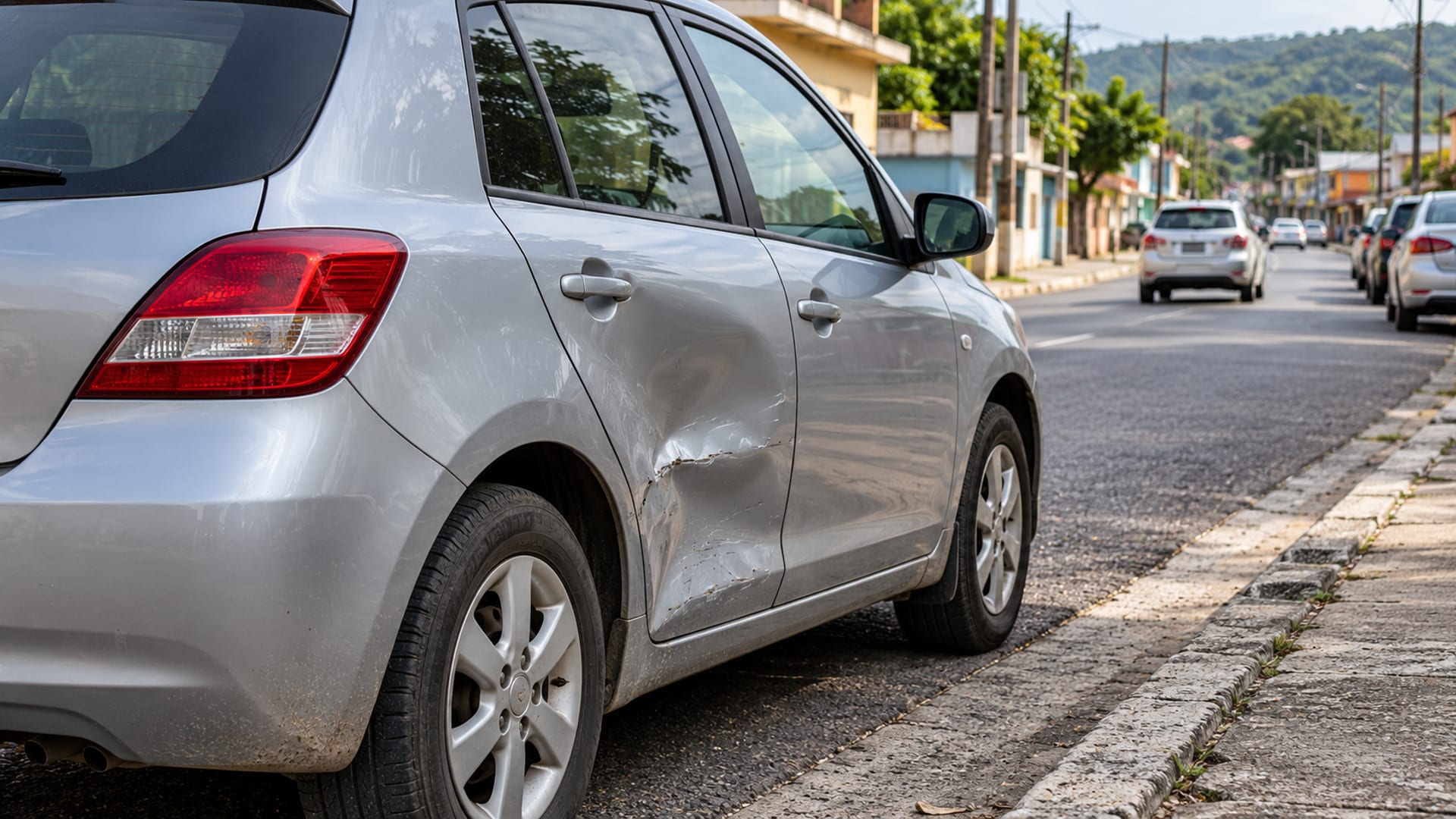
Third-party-only insurance generally protects you against covered liability to others. It does not normally pay to repair your vehicle after another driver hits it, even if you believe the other driver caused the collision.
You may pursue the responsible driver’s insurer, subject to evidence, liability, policy terms and that insurer’s claims process. An estimate, police report, assessor’s report, photographs, witness details and correspondence may be requested. The exact documents depend on the insurer and circumstances.
A comprehensive policyholder may claim under their own policy for covered own-vehicle damage, subject to the excess. The insurer may then seek recovery from the responsible driver or that driver’s insurer. General Accident explains that an excess may initially be payable and recoverable if recovery succeeds. Recovery is not automatic. The General Accident accident claims guidance also sets out its claim-reporting process. Making an insurance claim after an accident in Jamaica covers the deadlines and documents.
After a collision, keep the policy number, claim number, accident date, estimates, reports, photographs, correspondence and the insurer’s written decision. For the wider sequence of police reporting and next steps, read what to do after a car accident in Jamaica.
If the vehicle needs a part or repair estimate, give the shop the registration number, make, model, year, engine or trim details where known, and the damaged area. An auto parts shop can tell you what information it needs to identify a part. A mechanic and repair shop can explain what its estimate covers. Neither a policy type nor a vehicle category confirms fit by itself.
What “excess” means
An excess, also called a deductible, is the part of a covered claim that you pay. Key Insurance says its excess is usually a percentage of the vehicle’s market value or sum insured. JN General Insurance says its excess may use the lower of the vehicle’s pre-accident value or the sum insured, depending on the claim type. The Key Insurance excess information and the JN General Insurance FAQ describe insurer-specific arrangements, accessed October 27, 2026.
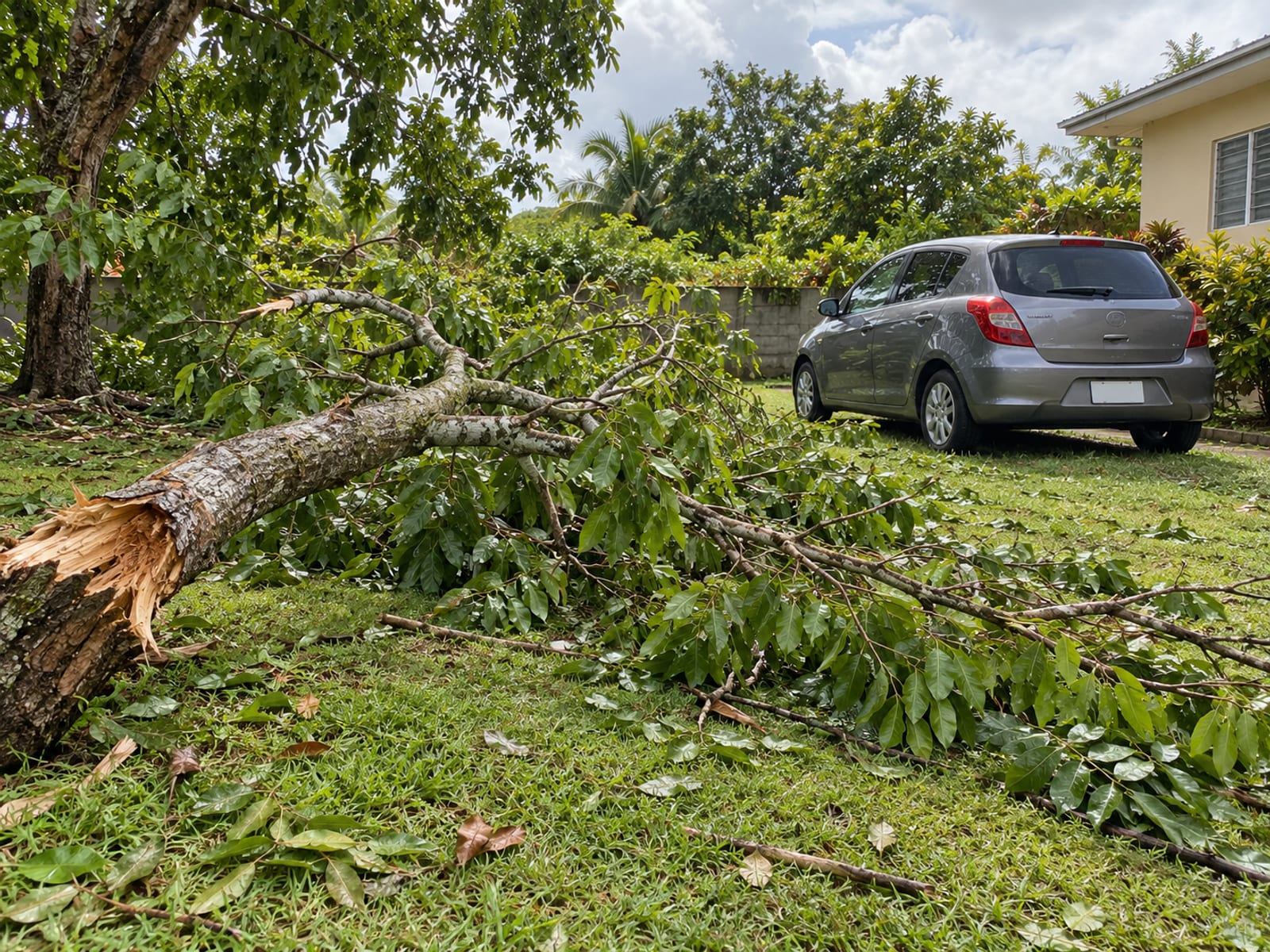 Ask whether the excess differs for collision, theft, fire or weather damage.
Ask the insurer these questions before paying:
- Is the excess a fixed Jamaican-dollar amount or a percentage?
- Does it apply to every claim?
- Is there a separate excess for a young or inexperienced driver?
- Does it apply to theft, fire, windscreen damage and uninsured-driver claims?
- Can an excess buy-back option change the amount payable?
- Is the excess different for collision, theft, fire or weather damage?
JN General Insurance says a policyholder who was not at fault may initially have to stand the excess while recovery is pursued. Its published information also explains that a claim can affect a no-claims discount, even where the policyholder was not at fault, although the discount may be restored if recovery succeeds.
A no-claims discount, or NCD, is a renewal discount earned after a claim-free period. The discount scale, protected-claim rules and transfer rules differ between insurers. Ask for the applicable scale and the effect of a claim in writing.
Market value, sum insured and own damage
The market value is the value the insurer accepts for the vehicle at the relevant time. The sum insured is the amount recorded for the vehicle in the policy. They may be connected, but they are not terms to treat as interchangeable without reading the policy wording.
General Accident’s proposal form says the sum insured should reflect current market value and records that settlement may use the lower of the sum insured and assessed market value. This can matter if the vehicle is insured for less than its accepted value.
“Own damage” means damage to the insured vehicle, rather than damage to another person’s vehicle or property. Own-damage protection can be subject to an excess, depreciation, limits, exclusions and the insurer’s assessment process.
Before renewal, give the insurer the registration number, make, model, year, estimated market value, intended use, usual driver details, previous insurance and claims history, loan information and any modifications. Make sure the quote uses the same liability limits, sum insured, excess, drivers, use class and optional benefits when you compare it with another quote.
If a lender finances the vehicle, read the loan agreement and ask whether the lender must be named on the policy. Also ask whether commercial use, delivery work, hire and reward, business use or modifications are covered.
Exclusions that may leave you paying personally
Published examples from CG United include wear and tear, mechanical breakdown and theft where the keys were left in the vehicle. Car theft in Jamaica, including trackers and vehicle cloning, covers theft in more detail.
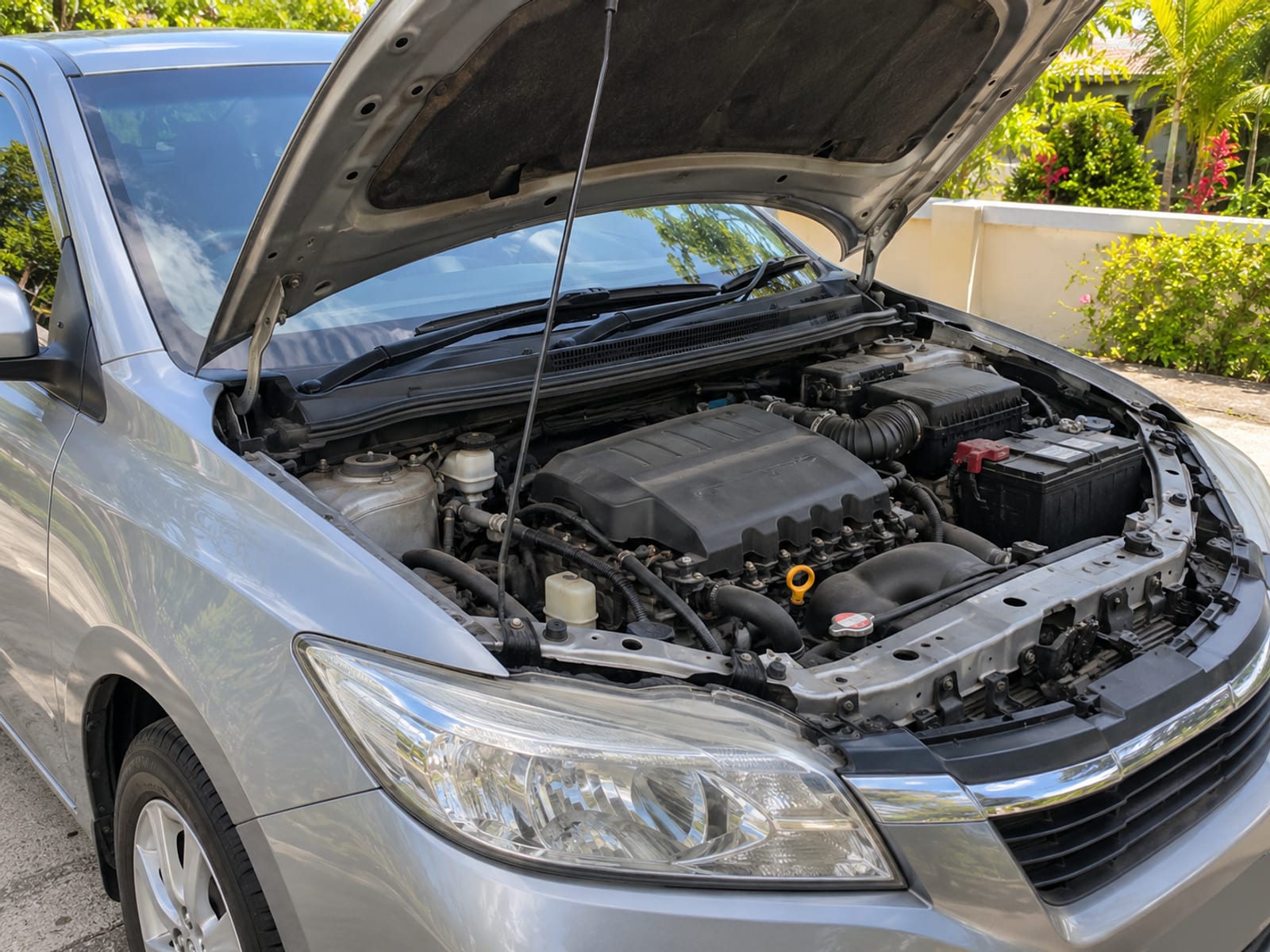 Mechanical breakdown is different from accidental damage and may sit outside the cover.
Other limitations can apply when:
- The loss falls outside the events listed in the policy.
- The vehicle is used outside the permitted use.
- A driver is not covered under the policy.
- The claim exceeds the sum insured or liability limit.
- The excess applies.
- The vehicle is under-insured.
- A modification, delivery activity or business use was not disclosed or accepted.
- A lender’s insurance condition was not met.
These are examples of policy limitations, not a complete list for every insurer. Ask for the full wording and schedule, then ask the insurer to address unusual drivers, modifications, business use, theft circumstances, flood, hurricane, windscreen damage, towing, loss of use and uninsured-driver benefits in writing.
Comprehensive insurance may cover some weather-related or theft losses, but the policy must say so. Hurricane season and your car in Jamaica covers flood damage and what to ask the insurer. Mechanical failure is different from accidental damage, and a repair estimate is not an insurance approval.
For a windscreen replacement, give the insurer the policy number, vehicle details, photographs and any incident information it requests. If you are comparing the cost of the glass and fitting, keep the part, labour, related work, GCT and date of each estimate separate. A windshield replacement cost guide can help you prepare questions about a quote and a claim.
How to compare written quotes
There is no single cheapest car insurance policy for every Jamaican driver or vehicle. A premium depends on the policy type, vehicle, driver, use, claims history, NCD, liability limits, excess, modifications, security information, optional benefits and financing arrangements.
Ask licensed insurers or brokers for written quotes using identical information. Compare:
- Annual premium and any taxes shown.
- Third-party liability limits.
- Own-vehicle protection.
- Excess for each claim type.
- Sum insured or market-value basis.
- Exclusions and permitted use.
- Towing, windscreen, loss-of-use and uninsured-driver benefits.
- NCD conditions.
- Claim-reporting deadlines and documents.
- Approved assessor, repairer or inspection arrangements.
The Financial Services Commission publishes its regulated insurance company list. Use the insurer’s legal name on the quote and policy documents, and keep the schedule with your certificate.
A shop’s estimate should be compared on the same basis. Ask whether the price covers the part only, fitting, labour, related work, GCT, disposal, storage, inspection or other charges. Ask for the part specification and the vehicle information used for the enquiry. Make and model may not settle fit, especially where trim, engine, market or chassis details differ. Send chassis or VIN information directly to the shop rather than placing it in a public comment.
For tyre work, give the shop the tyre size and vehicle details shown on the vehicle maker’s label or handbook, then ask about the proposed size, load rating, fitting, balancing, alignment, valves, disposal and GCT. A tyre shop can explain what its quote includes.
If you need to complain about a claim
Start with a written complaint to the insurer using its complaints process. State the policy number, claim number, accident date, issue in dispute and the result you are seeking. Attach estimates, reports, photographs, letters, emails and the insurer’s written decision.
 Attach the claim number, reports and the insurer’s written decision to a written complaint.
The Financial Services Commission accepts written complaints about business practices of regulated motor insurers and intermediaries. Its complaint form asks for the regulated insurer or intermediary’s name, full complaint details, reasons for disagreeing with the company’s position, relevant documents, your full name, mailing address and contact number, and written authorisation if another person acts for you. The FSC complaints process explains how to submit the matter.
The FSC can examine insurance business practices. It does not normally decide legal fault in a motor accident or resolve disputed facts that require a court or another dispute-resolution process. Its information about complaints sets out that boundary and the steps expected before escalation. The FSC publishes contact details, including the telephone line 1-888-FSC-HELP, 327-4357, on its contact information page.
Common questions
Is it better to have comprehensive or third-party insurance?
Neither policy is automatically better for every vehicle. Third-party insurance addresses covered liability to other people, while comprehensive insurance adds stated protection for the insured vehicle, subject to its excess, exclusions and limits.
Does third-party insurance cover you if someone hits you?
Third-party-only insurance does not normally pay to repair your own vehicle after another driver hits it. You may pursue the responsible driver or that driver’s insurer, or use your own comprehensive cover if the damage is covered.
What is not covered by comprehensive insurance?
Comprehensive insurance can exclude wear and tear, mechanical breakdown, certain theft circumstances, unauthorised use, uncovered drivers, losses above the sum insured and the applicable excess. Read the schedule and policy wording for the insurer’s exact exclusions.
What is the cheapest car insurance in Jamaica?
The cheapest premium depends on the driver, vehicle, use, cover limits, excess and optional benefits. Request written quotes from licensed insurers or brokers using the same details, then compare the protection and personal contribution as well as the annual premium.
What should you ask before renewing?
Ask for the liability limits, sum insured, excess, permitted use, driver restrictions, exclusions, NCD effect, claim documents and lender requirements in writing. Also ask whether theft, fire, flood, hurricane, windscreen, towing, loss of use and uninsured-driver benefits apply to your policy.
For the next errand, use the auto-parts shops directory or the shop-type and parish page for the area where you need parts, repairs or tyre work.