FAQs
FAQs: Auto Parts, Repairs, Tyres and Car Washes in Jamaica
Before contacting a Jamaica auto business, have your vehicle details, the part or service needed, clear photographs and any number printed on the old part ready. Ask what is available, whether the part suits your specific vehicle, what the price includes and how long it remains valid. Use Weh Fi Parts’ directory to browse by parish, town and shop type, then contact the business directly.
Before you call a shop
Start with the details that help the business understand your request. A clear enquiry gives the shop useful information to check the application, service scope and price.
What should I have ready for a parts or repair enquiry?
Have the vehicle make, model, year, body style and engine or transmission details where relevant. Include the part name, any number printed on the old part, clear photographs, and a plain description of the symptom or visible damage without assuming the cause.
For a repair, describe what happened, when it started and what you noticed. Ask the business what information it needs before preparing a price or arranging an inspection.
Should I send the VIN or chassis number?
A shop may need the VIN or chassis number to check the catalogue application, especially when several vehicle versions share a model and year. Send the VIN, chassis number, registration document or other identifying numbers directly to the business through a private call, email or message.
Keep those details out of a public comment or listing review. Ask the shop to confirm the catalogue match, availability, condition, specification and return terms before paying.
Reading a quote
A written price is easier to compare when every business describes the same work and the same parts. Ask questions beside any item that is unclear.
What should a written quote include?
Ask the business to state the currency, part, brand or specification, quantity and condition. It should identify whether the part is new, used, genuine, aftermarket or remanufactured, and whether the price covers parts only or parts and fitting.
The quote should also show labour, related work, freight or other charges, taxes where applicable, the expected completion window and how long the price remains valid. Ask whether removal, fitting, testing or follow-up work is included.
What is the difference between an estimate, a quote and an invoice?
A quote is a price offered for a defined scope. An estimate is a best prediction that may change when the work or parts required change, while a final invoice should itemise what was supplied and performed.
Ask the business to contact you before extra work is carried out. Keep the written quote and compare the invoice with the agreed parts, labour, related work and any approved variation.
What consumer rights should I know about repairs in Jamaica?
Jamaica’s Consumer Protection Act, 2005 applies to the sale of used goods and the repair of goods, including an implied warranty that defective goods repaired or replaced will be handled within a reasonable time. See the Consumer Protection Act, 2005 and Jamaican consumer rights guidance.
Keep the quote, receipt, invoice, warranty and messages. Raise a concern with the business first, then use the current complaint channels of the Fair Trading Commission Jamaica or Consumer Affairs Commission Jamaica if the matter remains unresolved.
Which shop does what
The directory groups businesses by their main shop type. A category helps you choose where to start, while the business confirms its current services and charges.
What do auto parts shops usually sell?
Auto parts shops mainly sell replacement parts, accessories, fluids and related products. Some parts businesses also provide fitting, so ask specifically if installation is included and whether it is charged separately.
Give the business your vehicle details, part name, photographs and identifying number where available. Ask about the part’s brand, condition, included components, return terms and fitting price.
What do mechanics and repair shops handle?
Mechanics and repair shops generally inspect, diagnose, service and repair mechanical or electrical systems. Diagnosis and repair are separate from selling a replacement part, so ask what assessment is included before agreeing to the work.
Ask how the business will describe the required repair, what labour covers, which related work is proposed and when the vehicle may be ready. Keep the agreed scope in writing.
What do body shops and glass businesses handle?
Body shops and glass businesses generally handle collision or exterior bodywork, including panels, paint, refinishing, dent repair, replacement work and vehicle glass repair or replacement. Describe the visible damage and provide photographs from several angles.
Ask whether the price includes removal, preparation, paint matching, fitting, glass materials, seals, disposal and related finishing work. Confirm the expected completion window and any work that would be priced separately.
What do tyre shops usually provide?
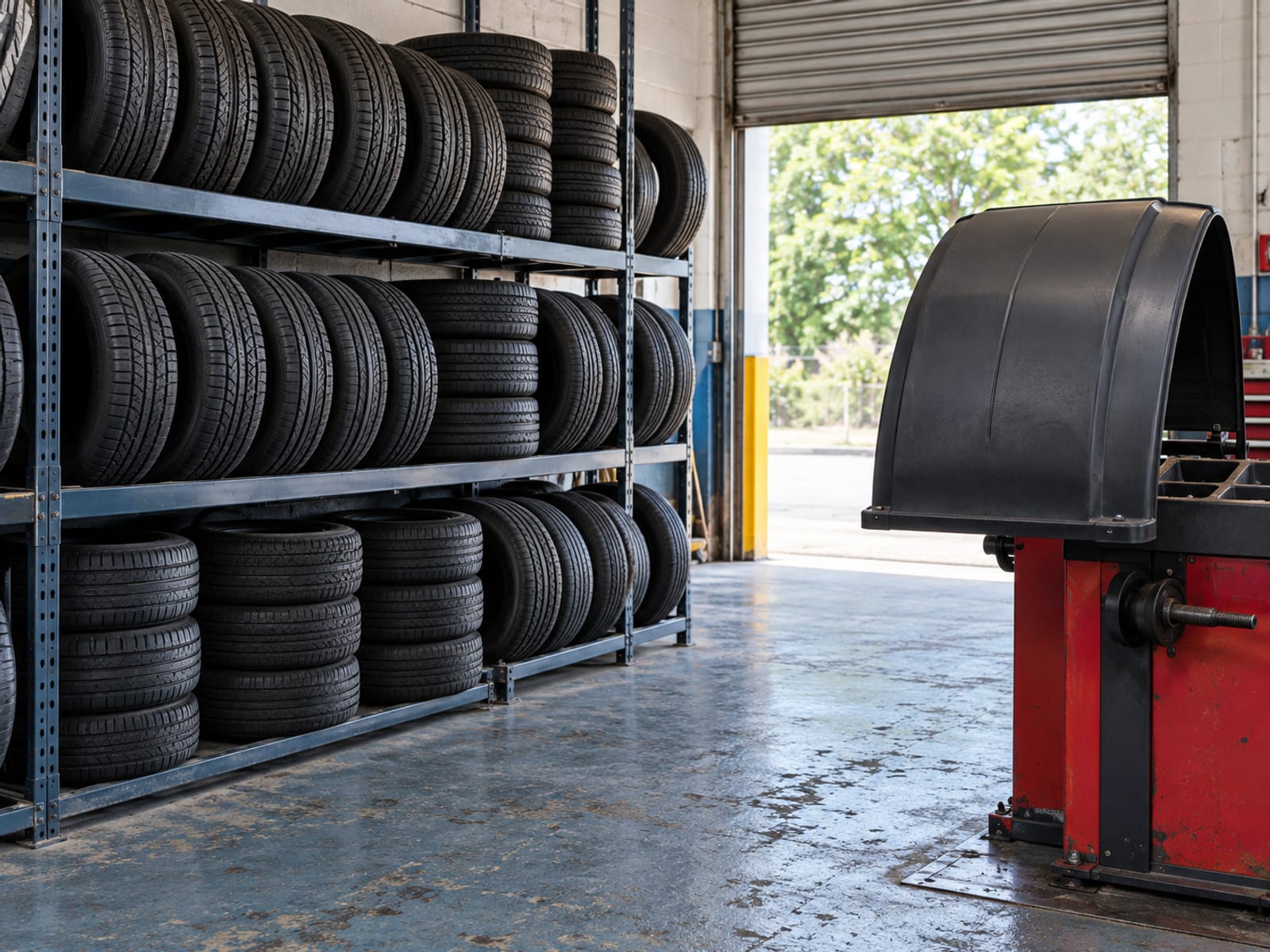
Tyre shops commonly separate tyre sales from puncture repair, tyre fitting, wheel balancing and wheel alignment. Ask which service is included in the quoted price and whether removal, mounting, valves, balancing or alignment costs extra.
Find the vehicle’s tyre size, load rating and speed rating on the tyre information placard, usually on the driver’s door or door jamb, and in the owner’s handbook. The placard or handbook also gives the recommended cold pressures.
What do car washes, detailing businesses, towing and wreckers handle?
Car washes and detailing businesses clean vehicle interiors and exteriors. Towing and wreckers cover vehicle recovery, transport, dismantling, salvage and parts from recovered vehicles, depending on the business.
For a wash or detail, ask what cleaning steps are included. For towing, provide the pickup location, vehicle type, destination and whether the vehicle rolls and steers, then ask about distance, after-hours, loading, storage and other charges.
Parts, tyres and fit
Part descriptions can mean different things between sellers. Ask the business to define the specification and confirm the application for your vehicle before agreeing to purchase.
What do new, used, genuine, aftermarket and remanufactured mean?
New means the part has not previously been installed or used. Used means it has previously been installed or operated, and it may be original-equipment or aftermarket.
Genuine generally refers to a replacement represented as being supplied through the vehicle maker’s genuine-parts channel. Original-equipment or OEM commonly refers to a part made for the vehicle maker or to its original specification.
Aftermarket parts are made outside the vehicle maker’s genuine-parts channel, while remanufactured parts use a previously used core that has been disassembled, restored or rebuilt through a defined process. Ask for the maker, part number, condition, testing, warranty, return terms and fitting details.
How can I confirm a part fits my vehicle?
Send the vehicle details and any required identifying number privately to the shop. Ask the business to confirm the catalogue application, exact part number, included components, condition and whether the quoted price includes fitting.
A checklist helps the enquiry, but the shop should make the final fitment confirmation for the specific vehicle. Ask about return terms before payment, especially for used, electrical or exchange parts.
What should I ask a tyre shop before agreeing to the price?
Give the tyre shop the size, load rating and speed rating from the vehicle placard or handbook. Ask whether the quoted price covers the tyre only, fitting, removal, valves, balancing, alignment, puncture repair or disposal.
Ask the business to confirm the tyre application and recommended cold pressure for your vehicle. If the current tyres differ from the placard, request a professional confirmation before ordering.
Washes and detailing
Cleaning services can be sold as separate steps, so ask for the exact inclusions before comparing prices.
What might a car wash or detailing price include?
A basic car wash may include an exterior wash, wheels, tyres, drying and sometimes an interior wipe-down. Detailing may be priced by service, such as vacuuming, mats and boot cleaning, upholstery or carpet shampoo, dashboard and trim cleaning, window cleaning, paint decontamination, polishing, waxing, wheel treatment or engine-bay cleaning.
Ask whether heavy soil, pet hair, stains, leather treatment, vehicle size, engine-bay work or mobile service changes the price. Confirm the expected finish and collection or return time with the business.
Using the directory
The directory is arranged for a practical search, starting with location and then business type. You can contact a listed business directly after opening its public details.
How do I browse auto businesses in Jamaica?
Choose a parish, then a town and shop type. You can browse all listed businesses or go directly to auto parts shops, mechanics and repair shops, body shops and glass, tyre shops, car washes and detailing or towing and wreckers.
Open a listing to view public business facts such as the name, address, phone, website, listed hours and shop type. Then contact the business directly to confirm availability, fitment, price and service details.
What does “open according to listed hours” mean?
Opening hours are the business’s listed customer-facing hours for a normal week, with possible special or seasonal changes. Jamaica uses Jamaica Standard Time, UTC-5, throughout the year.
Contact the business before travelling for an urgent repair, a particular part, a tow or a scheduled wash. Ask whether the required person, service, bay, vehicle recovery service or fitting work is available at the time you need it.
How can a business owner correct, claim or add a listing?
To report a wrong public detail, use the contact form and identify the specific information that needs correction. The form asks for your name, email address, the subject of the message and the message itself, so include the business name and corrected public information in the message.
A business owner can claim a listing or add a business. These routes allow the owner or manager to request an update or submit a business for consideration.
Choose your parish, town and shop type, open a listing, then contact the business directly to confirm availability, fitment, price and service details.