
Blog / Paperwork and law
Making an insurance claim after an accident in Jamaica: deadlines and documents
Making a car insurance claim after an accident in Jamaica: notice deadlines, the police report and documents, the assessor, repair approval and complaints.
17 February 2026 · Updated 27 October 2026
On this page
Notify your insurer or broker as soon as possible, then deal with the police report and supporting documents without waiting to gather every paper. Many Jamaican insurers publish a 30-day accident-reporting deadline, but your policy wording controls, and the police-report instruction may be separate. Keep photographs, driver and vehicle details, estimates, receipts and every message about the claim.
The first call should establish the insurer’s reporting channel, claim number, deadline, police-report requirement and next document needed. If the vehicle needs bodywork, parts or glass, ask the insurer whether the proposed body shop or glass repairer can be used before authorising repairs.
Notify the insurer and police promptly
JN General Insurance says an accident must be reported to the insurer within 30 days, even if the policyholder does not intend to claim for damage to their own vehicle. It also says the incident should be reported to the police within 24 hours. Its motor-claim requirements include a completed claim form, driver’s licence, vehicle fitness and registration documents, and a repair estimate. These requirements appear on JN General Insurance’s claim-reporting page, accessed October 27, 2026.
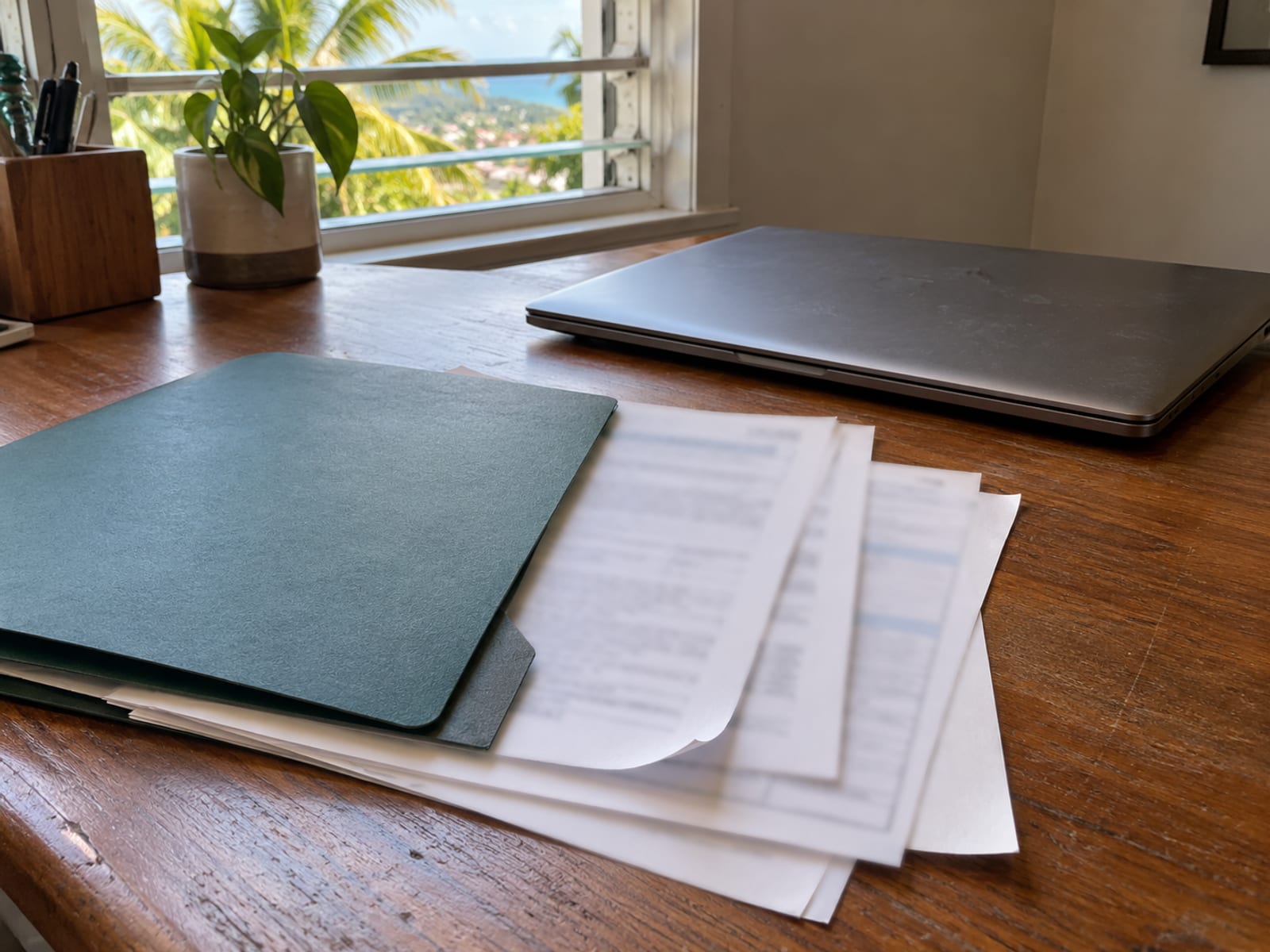 Open the claim with the insurer first, then gather the papers it asks for.
Guardian General Jamaica also publishes a 30-day accident-reporting deadline. Its listed information includes the policy number, policyholder contact details, date and time of the loss, incident description, location, photographs, invoices and a police report where applicable.
The motor claim documents include the completed motor vehicle claim form, registration certificate, certificate of fitness and driver’s licence, as set out in Guardian General’s claims requirements, accessed October 27, 2026.
Other insurer instructions use similar time limits but can differ in detail. IronRock says full accident particulars on its prescribed claim form should be submitted as soon as possible and no later than 30 days after the accident. AutoSmart also publishes a 30-day incident-reporting deadline and directs drivers to report the accident to police within 24 hours. CG United explains that some policies require notification within 14 days and others within 30 days, so the policy wording must be checked. If the loss is flood or storm damage, see hurricane season and your car in Jamaica.
The Financial Services Commission motor-claims guideline says an insurer should respond within five working days and explain whether the claim is covered, the claims process and the documents required. That guideline does not replace the deadline in your own policy.
Jamaica’s Road Safety Unit guidance says drivers should exchange names, contact details, insurance company and policy number, licence and plate numbers, vehicle type, colour and model, collision location and witness information. It also recommends photographs or video of vehicle positions and tyre marks, and reporting the incident to police within 24 hours. The practical details appear in Jamaica’s road-accident next-steps guidance, dated February 27, 2023.
Documents and photographs to gather
Prepare a folder, whether paper or digital, with:
- Your policy number and insurer or broker contact details.
- The completed motor claim form.
- Your driver’s licence.
- The vehicle registration certificate.
- The certificate of fitness.
- Photographs of the vehicles, damage, road position, signs, tyre marks and surrounding area.
- The police reference number or police report, where required.
- The other driver’s name, contact details, registration number, insurer and policy information.
- Witness names and contact details.
- A repair estimate.
- An assessor’s report, if one has been prepared.
- Wrecker, towing, storage or other related invoices.
- Proof of ownership where the insurer requests it.
- Any release, deal-direct letter or other document the insurer asks you to sign.
The Jamaica Constabulary Force says police may require driver’s licences and certificates confirming registration, fitness and insurance details. Its published information is available through the Jamaica Constabulary Force’s frequently asked questions.
A photograph is useful evidence, but it does not replace the form, report, estimate or other document the insurer requires. Keep the original files where possible, note the date and location, and write down the claim number and the name of the person who received each document.
If you are still waiting for the police report, notify the insurer first and ask whether the claim can be opened with the police reference number. Also ask whether the original report must follow later. The exact answer depends on the insurer, policy and type of claim.
How the assessment and repair process usually works
The usual sequence is notification, document submission, an estimate or inspection, assessment of the damage and circumstances, and a coverage and settlement decision. The insurer may use an assessor, adjuster or investigator. An assessor examines damage and prepares an opinion about the work and cost. An adjuster or investigator may also examine the circumstances and supporting information.
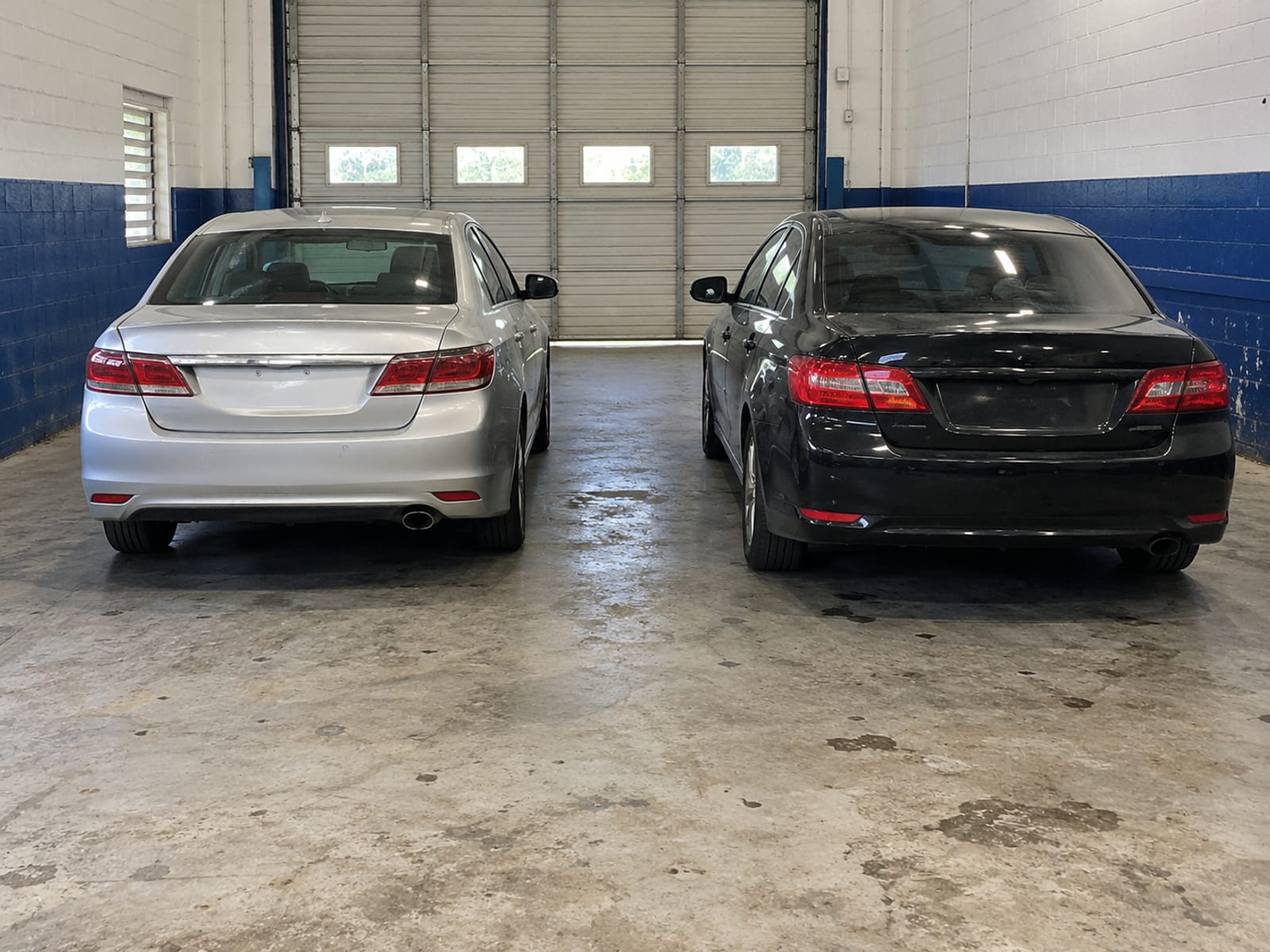 The insurer decides whether the vehicle needs an inspection before repairs begin.
IronRock describes a process in which the customer supplies a repair estimate, then an approved motor assessor inspects and confirms the damage before settlement. Its published motor-claim process is set out on IronRock’s car-insurance claims page, accessed October 27, 2026.
JN General Insurance publishes a panel of assessors and valuators. It says comprehensive motor customers should keep vehicle valuations current, and that vehicles 15 years and older require a mechanical report from an approved panel member. The insurer’s assessor and valuator information was accessed October 27, 2026.
An estimate is not an invoice, and it is not the insurer’s approval to begin work. Before a mechanic or body shop removes parts, orders replacement parts or starts repairs, ask the insurer whether the estimate has been accepted and whether written approval is required.
CG United says that, where a vehicle can be repaired, it will usually seek to pay the garage directly, with the policyholder paying the deductible if applicable. That arrangement does not mean every garage is accepted for every claim. The insurer determines the repairer arrangement under the policy and claim.
If you need a repairer after the insurer gives its instructions, you can compare mechanics and repair shops by area. Ask the insurer first whether the proposed garage is accepted for the claim, whether a second estimate is needed and whether the repairer may order parts before approval.
Questions to put to the insurer before repairs
Use the claim number each time you contact the insurer. Ask:
- What is the claim-reporting telephone number, email address or WhatsApp channel?
- What is the exact deadline under my policy?
- Can the claim be opened before the police report is available?
- Do you need the police reference number, the original police report or both?
- Must the estimate come from a particular repairer or assessor?
- Does the vehicle need inspection before towing or repairs?
- Is this garage accepted for my claim?
- Do you need a second estimate?
- Are towing, storage, wrecker charges or rental costs covered?
- What deductible or customer contribution applies?
- Who pays the repairer, and by what method?
- What documents are still outstanding?
- Has the estimate been accepted?
- Do I need written approval before repairs begin?
- Must I sign a release or deal-direct letter?
- What is the current claim status, and when will the next decision be made?
If a quote includes parts and labour, ask for them to be shown separately. Ask whether the price includes related work, whether General Consumption Tax is included, and whether any customer contribution remains. A parts-only estimate should not be compared with a fitted quote as if they cover the same work.
For a replacement part, give the shop the vehicle make, model, year, engine or trim details where relevant, registration information if requested, and the identifying details the shop needs to check fit. A make, model and year may not settle compatibility. Send chassis or VIN details directly to the shop or insurer, not in a public comment.
If the other driver caused the collision
You may notify your own insurer if you have comprehensive cover, and you may notify the other driver’s insurer as a third-party claimant. Keep both insurers informed about the accident and explain which route you are asking them to handle. Third-party and comprehensive car insurance in Jamaica explains what each policy type covers.
 Write down where the collision happened, along with the other driver's details.
Provide the other driver’s name, contact details, registration number, insurer and policy information, along with photographs, witness details, police information where applicable, a repair estimate and an assessor’s report. Do not admit liability or agree to pay for damage before the insurer investigates.
ICWI says third-party claims should be submitted within 30 days. Its published documents include the repair estimate, original assessor’s report, photographs, wrecker bill, original expense invoices, deal-direct letter where applicable, proof of ownership, police report where necessary, eyewitness statement where necessary and the insured driver’s licence information. ICWI may appoint an investigator, and its third-party claims process explains its release and payment steps.
CG United says it may seek recovery from the party at fault, including the deductible, and may liaise with the other party and insurer. JN General Insurance says a police report may be required when claiming against another insurer as proof that the accident involved that insurer’s policyholder. Its motor insurance FAQ was accessed October 27, 2026.
If court proceedings are being considered, ask an attorney about the notice and timing rules that may apply. The Motor Vehicles Insurance (Third-Party Risks) Act contains rules about notice of legal proceedings to an insurer. A Supreme Court decision, Edmonds v Marquesse, discusses why notice can matter when a third-party claim is being pursued.
Deductibles, repairers and uninsured expenses
A deductible is the amount the policyholder may have to contribute under the policy before the insurer pays the covered balance. The amount, payment method and treatment of towing, storage, rental costs, depreciation or other expenses depend on the policy and claim arrangement.
Ask whether the insurer pays the garage directly or reimburses you after you pay. Ask if the repairer must be selected from a particular panel, whether you can use a garage of your choice, and whether the insurer has accepted the estimate. Ask the repairer to identify parts, labour, fitting and related work separately. For a tow after a collision, wreckers and towing in Jamaica explains what to ask the operator.
If a claim is settled with a third party, the insurer may require a signed release or deal-direct letter. Read the document and ask what expenses it covers before signing. Keep copies of the release, invoices, estimates, reports and payment records.
If the claim is delayed, rejected or unclear
Start with the insurer’s internal complaints process. Put the concern in writing and attach the claim number, claim form, correspondence, photographs, estimates, reports and the insurer’s response. Ask for the reason for delay, rejection or settlement amount in writing, along with the policy clause being applied and the documents still needed.
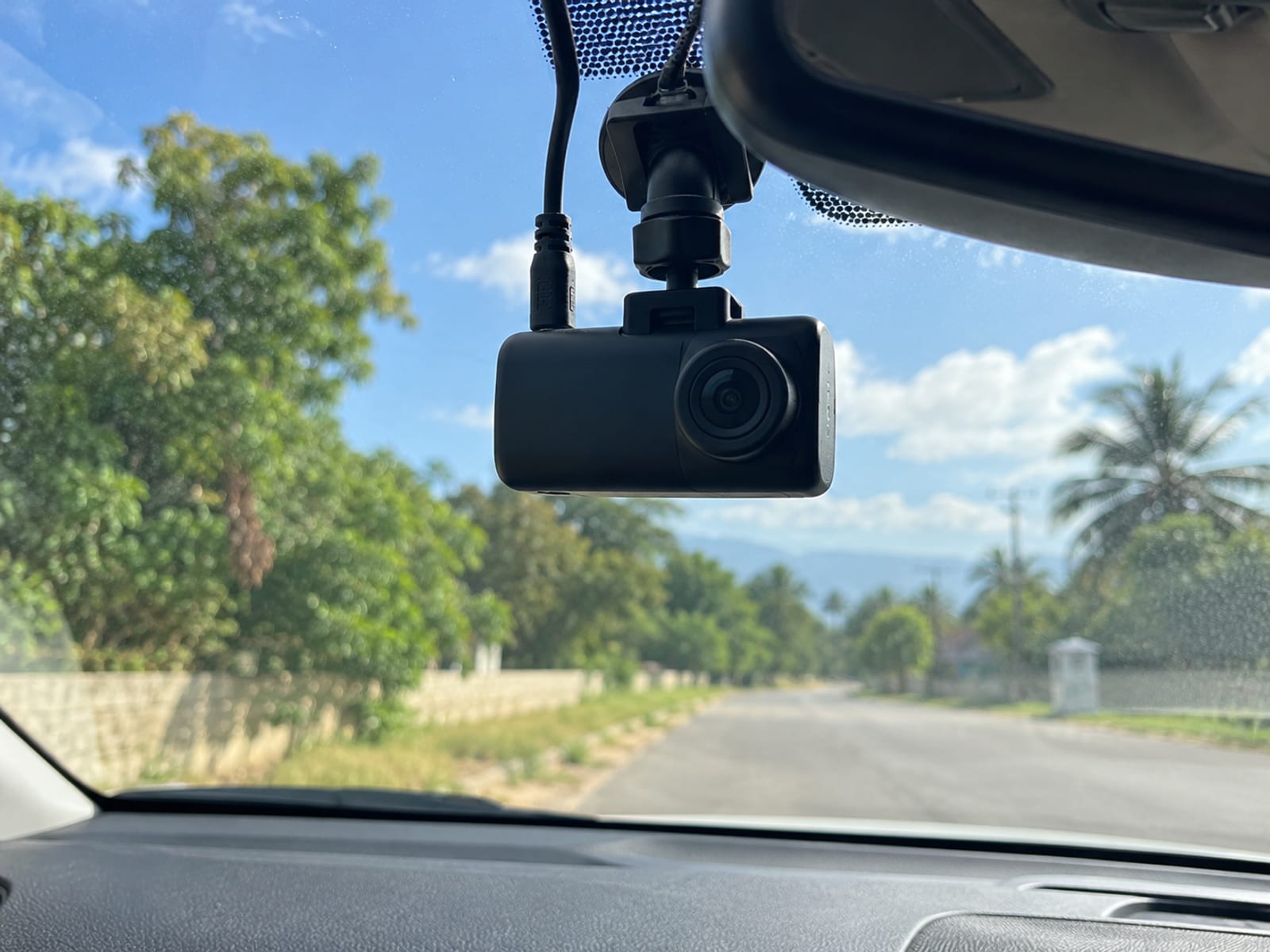 Keep the photographs and video of the scene with the rest of the claim file.
If the insurer’s internal process does not resolve the concern, the Financial Services Commission requires an insurance complaint to be submitted in writing using its Insurance Complaint Intake Form. The form asks for the regulated insurer or person complained about, the details of the complaint, the reason for disagreement, relevant correspondence and documents, your full name, mailing address and contact number, and authorisation if another person is acting for you.
For a motor claim where liability has not been admitted, the form asks for a detailed account of the accident or loss, including police or investigator reports, independent witness statements and photographs of the accident or vehicle damage. The FSC’s insurance complaints information explains the written-complaint process.
The FSC’s published contact details are:
Financial Services Commission
Complaints Coordinator
39-43 Barbados Avenue
Kingston 5, Jamaica
Telephone: 876-906-3010-2
The FSC handles regulatory and conduct concerns. Ask the Commission what further remedy may be available if the disagreement concerns coverage, liability or the amount of a settlement.
Common questions
How long after an accident can I make a claim?
Notify the insurer immediately, even if you are still collecting documents. JN General Insurance, Guardian General, IronRock, ICWI third-party claims and AutoSmart publish 30-day reporting periods, while CG United says some policies may require 14 days. Your policy wording controls, so ask the insurer whether late notification can be accepted.
How does insurance work when it is not your fault?
You may notify your own insurer if you have comprehensive cover, and you may submit a third-party claim to the other driver’s insurer. Give the insurer the other driver’s details, photographs, witness information, police details where applicable, repair estimate and assessor’s report, and avoid agreeing to payment before the accident is reviewed.
How long is too late to make an insurance claim?
A claim becomes at risk when the policy’s reporting deadline has passed, but you should still notify the insurer immediately and ask for a written decision. Submit the documents you have, explain the delay and ask which missing items can follow later. Court deadlines and notice rules are separate questions for an attorney.
Is a police report always required?
The requirement depends on the insurer, policy and circumstances. Several insurers publish a police report where applicable, while Jamaica’s Road Safety Unit guidance says a collision should be reported to police within 24 hours. Ask whether the insurer needs a police reference number, the original report or both.
Can I choose the garage?
The answer depends on the policy and claim arrangement. Ask the insurer whether the proposed garage is accepted, whether the estimate has been approved, whether the vehicle must be inspected first and whether the insurer will pay the garage directly.
Once the insurer gives its repair instructions, use the auto-parts, mechanics, bodywork and other vehicle-service directory to find a shop in the parish where the vehicle is located and ask the shop about the estimate, parts, labour and claim paperwork.