Blog / Paperwork and law
Returning residents bringing a car to Jamaica: the age limit, duty and paperwork
Returning residents bringing a car to Jamaica: the vehicle age limit, the duty and taxes payable, the import permit and the paperwork to start before you ship.
20 January 2026 · Updated 27 October 2026
On this page
A returning resident can bring a vehicle to Jamaica under a special import facility that allows an older car than the ordinary rules, with duty, taxes and shipping charges paid on arrival. Settle your eligibility, the vehicle’s age, your six-month ownership period and the import permit before shipping.
For the main category, you generally need to be a Jamaican national aged 18 or older who lived overseas for at least three consecutive years and intends to return permanently.
The vehicle may be up to 10 years old, but you must have owned it for at least six months before applying for the import permit. Your next step is to match your documents to the requirements of the Jamaica Customs Agency and the Trade Board, then obtain a written estimate of the likely landed cost.
First, check whether the vehicle fits the returning-resident rules
The returning-resident facility allows one motor car and one light commercial vehicle, two light commercial vehicles, or one light commercial vehicle and a qualifying commercial vehicle. Two passenger cars are not allowed under this entitlement. A non-Jamaican spouse of a Jamaican returning resident may also qualify for motor-vehicle import treatment, while returning students and deportees have separate eligibility rules. The Jamaica Customs Agency’s returning-resident rules set out the main categories and the supporting evidence required.
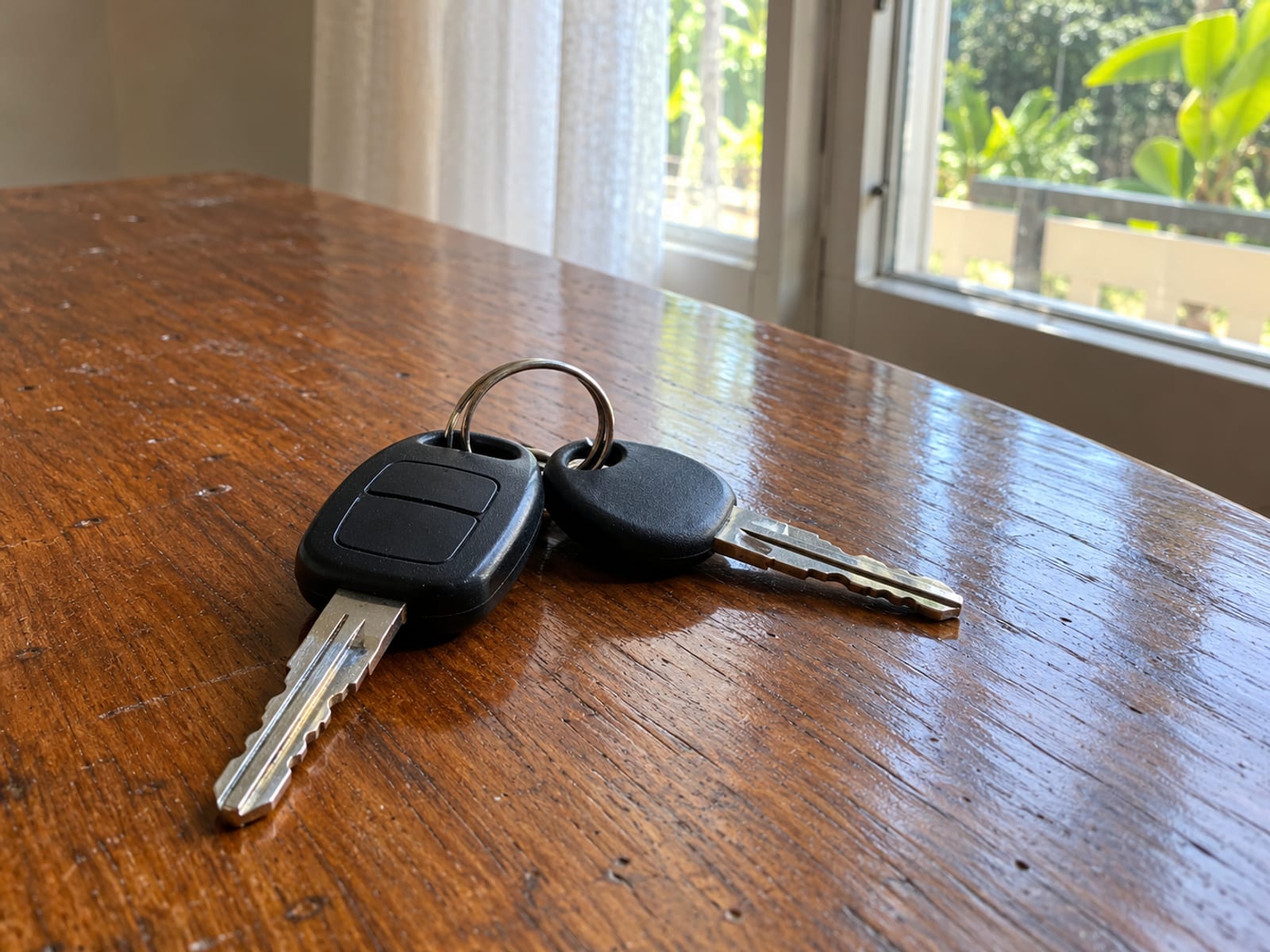 The vehicle’s age, ownership period and category all come before any shipping plan.
The special age limit is up to 10 years based on the vehicle’s model year. That is different from the ordinary limits the Jamaica Customs Agency publishes for imported vehicles. The ordinary limit is generally six years for sedans, station wagons and SUVs, while an eligible returning resident may import a vehicle up to 10 years old under the returning-resident facility. The Jamaica Customs Agency’s vehicle age limits should be checked against the exact model year and classification before you commit to shipping.
You also need to show that you owned the vehicle for at least six months before applying for the import permit. A registration certificate, title or export certificate may help establish the vehicle’s details, but ask the Trade Board and your Customs Broker whether your ownership documents prove the required period in your particular case.
Engine size matters mainly to the duty assessment. Fuel type, engine capacity, vehicle classification and customs value all affect the amount payable. The 2025 individual rate sheet groups passenger vehicles by engine capacity, including vehicles of 1,000 cc or below, over 1,000 cc to 2,000 cc, over 2,000 cc to 3,500 cc, and over 3,500 cc. The 2025 individual motor-vehicle rate sheet is read with the vehicle’s actual classification and fuel type.
Duty and taxes still apply
A returning resident cannot bring the vehicle in duty free. The Jamaica Customs Agency states that the special treatment changes the age allowance and eligibility pathway, but applicable duty and taxes remain payable. The Jamaica Customs Agency’s motor-vehicle information explains that returning residents receive full-duty treatment for the vehicle.
The exact amount depends on more than the purchase price. Customs uses the vehicle’s classification, fuel type, engine size and customs value. Customs value is based on the cost of the goods plus freight and insurance, known as CIF. The Jamaica Customs Agency’s duty-calculation explanation describes the valuation basis and the factors used in the assessment.
The overseas sale price is therefore only part of the cost. Ask the Jamaica Customs Agency or a licensed Customs Broker for a written estimate using the vehicle identification details, purchase documents, freight estimate and insurance information. Ask the broker to separate duty, taxes, port charges, storage, documentation, delivery and the broker’s professional fee.
The 2025 rate sheet gives different aggregate rates by fuel type and engine capacity. For example, gasoline passenger vehicles are grouped into rate bands that include 52%, 66%, 80% and 80%, while diesel passenger vehicles use different bands. Those figures are not a personal landed-cost calculation. The applicable amount is matched to the vehicle’s classification, customs value and current assessment.
Gather the returning-resident documents
The returning-resident status application calls for documents that establish your identity, overseas residence, tax history, employment or retirement position and Jamaican address. Prepare the following:
- A valid Jamaican passport, or a foreign passport with an unconditional landing stamp.
- A validated bill of lading or airway bill.
- Your Taxpayer Registration Number.
- Your last three years of tax returns, with supporting records such as W-2, 1099, T4 or P60 documents.
- A tax-return transcript.
- An employer separation letter showing the employment period.
- Retirement papers, pension advice or a social-security letter where applicable.
- Other proof of overseas residence.
- Proof of a Jamaican address.
 Documents that describe the same person and the same period of residence make the application easier to read.
The documents should describe the same person and the same period of residence. If your name changed, your address differs between documents, or your tax records come from more than one country, ask the Jamaica Customs Agency what additional evidence is suitable before submitting the application.
The Trade Board motor-vehicle permit procedure also requires a Returning Resident Pre-Approval Letter from the Jamaica Customs Agency, a supplier invoice or bill of sale, a registration certificate, certificate of title or Japanese export certificate showing the vehicle details, valid identification and proof of citizenship, your TRN, and a pre-shipment inspection certificate where required. The application is made through JSWIFT, with payment submitted through that process. The Trade Board returning-resident permit procedure lists the permit steps and the published permit fee of J$6,325, with a stated minimum processing time of three working days.
A permit is not something to arrange after the vehicle has already arrived. The import licence or permit must be obtained before the vehicle is shipped and before it arrives in Jamaica. Jamaica Single Window for Trade’s vehicle-import FAQ explains the permit requirement for imported vehicles. For the shipping side, see shipping a car from the US to Jamaica.
Confirm the vehicle documents before shipment
For the vehicle itself, keep the title or export certificate, supplier invoice or bill of sale, registration records and shipping documents together. The Jamaica Customs Agency’s vehicle-import document list includes the import licence, title or export certificate, bill of lading, invoice, Tax Compliance Certificate and a special declaration prepared by the broker. The motor-vehicle document list sets out the clearance documents.
Ask the shipping agent:
- What is the shipping cut-off for your vehicle?
- What documents must be supplied before booking?
- What arrival date and port process should you expect?
- How are storage charges calculated if clearance takes longer than expected?
- Does the vehicle have to be empty, and what condition must it be in for loading?
- What document proves the vehicle was accepted for shipment?
Ask the inspection provider whether your vehicle requires pre-shipment inspection based on the country from which it is exported. Ask what vehicle details must appear on the inspection certificate and how the certificate should be submitted with the permit application.
A vehicle with outstanding finance may create a separate export problem. Ask the lender whether export is permitted and whether written consent or a lien release is required. Ask the shipping agent and broker whether the title or export certificate is acceptable for the intended shipment.
Use the right people for each part of the process
The Jamaica Customs Agency states that motor-vehicle clearances require a licensed Customs Broker. The broker can explain the clearance documents, prepare the special declaration and provide a professional-fee quote. A broker’s fee is separate from duty, taxes, shipping, port, inspection, storage, documentation and delivery charges.
 Port, storage and documentation charges sit apart from duty and the broker’s fee.
Ask the Customs Broker:
- What vehicle classification will be used?
- What customs value and CIF details will be submitted?
- Which duty and tax rates apply to the fuel type and engine capacity?
- What documents do you need before preparing the declaration?
- What is your professional fee, and what work does it cover?
- Which port and storage charges should be budgeted?
- When will you provide the written assessment?
- What happens if Customs requests further documents?
Ask the Jamaica Customs Agency:
- Does my evidence satisfy the returning-resident test?
- Does the exact model year qualify for the 10-year allowance?
- Does my ownership evidence prove at least six months?
- Which vehicle combination applies to my household?
- What duty and taxes are likely to apply to this classification and customs value?
- What restriction will apply after importation?
Ask the Trade Board:
- Is the Returning Resident Pre-Approval Letter sufficient for the permit application?
- Is the permit application complete through JSWIFT?
- Is a pre-shipment inspection required for this vehicle?
- Are the title, export certificate, invoice and bill of sale acceptable?
- What fee and processing time apply at the time of application?
The authority’s rules provide the structure, but your documents and vehicle details determine how the rules apply to your case. Confirm the current fee, document list and permit requirements immediately before applying.
Know the restriction after importation
The vehicle import permit includes a one-year restriction against unauthorised sale, transfer or pledging of the vehicle as collateral. The Jamaica Customs Agency describes this as a one-year sale clause. The Trade Board policy also refers to restrictions against unauthorised disposal, sale or pledging. The Jamaica Customs Agency’s importer categories explains the restriction attached to the returning-resident facility.
Ask Customs or the Trade Board how the restriction applies if your circumstances change during the first year, before arranging any private transfer, sale, refinancing arrangement or pledge.
A returning resident who imports under this facility cannot use the individual vehicle-import facility again until three years after the date of importation. The household-goods concession is generally a one-time benefit, but that is a separate rule from the vehicle-import rules. If you are also shipping household goods, see what shipping a barrel to Jamaica costs.
Arrange the practical work after arrival
Once the vehicle is cleared and you need local help, have the make, model, model year, engine or powertrain details, registration information and any available VIN or chassis information ready for the enquiry. Send VIN or chassis details directly to the shop, broker or insurer rather than placing them in a public comment.
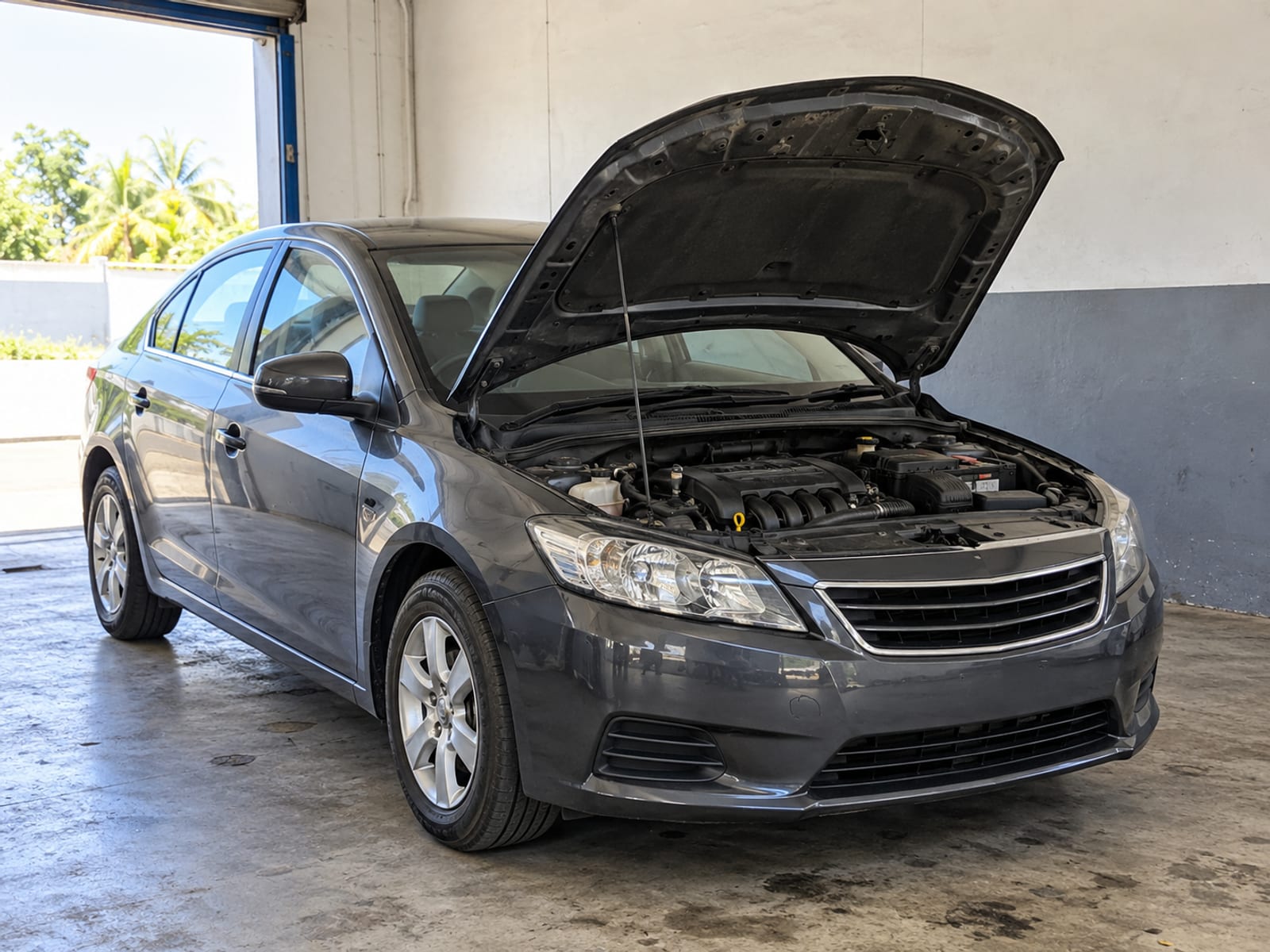 Ask whether a shop handles your vehicle’s make, model year and powertrain.
A vehicle category does not establish that a particular shop supports your vehicle. Ask the shop whether it handles the vehicle’s make, model year and powertrain, and whether the requested work is available for that exact vehicle. Make and model alone may not settle parts fit, especially where there are different engines, trims, markets or production changes.
For an inspection, repair or parts enquiry, ask:
- Can you assess this exact make, model and model year?
- What identifying details do you need before giving a parts or labour quote?
- Does the quoted amount cover the part only, fitting, labour or related work?
- Is General Consumption Tax, or GCT, included?
- What warranty terms apply to the part and to the labour?
- What information will appear on the written estimate?
- What payment terms apply?
If you need parts, compare quotes only when the specification and scope are the same. A parts-only figure should not be compared with a fitted price. Ask whether the part is genuine, original-equipment, aftermarket, remanufactured or used, and ask what documentation supports the description.
For a tyre enquiry, provide the tyre size and load or speed information shown for your vehicle, then ask the tyre shop to confirm compatibility. The vehicle maker’s specification should determine the correct size and pressure. Ask about fitting, balancing, valve replacement, disposal, GCT and any other charge included in the quote.
For a wash or detailing visit, ask what the quoted service includes, whether interior work is included, how heavily soiled areas are handled and whether any additional charge applies. You can compare car washes and detailing when the vehicle is ready for that errand.
If the vehicle needs mechanical assessment after arrival, compare mechanics and repair by the service described, the identifying information requested and the scope of the estimate. How to choose a mechanic in Jamaica lists the questions to put to each shop. For parts enquiries, auto parts shops can help you direct the question to the right type of supplier.
Common questions
Can a returning resident bring a car to Jamaica duty free?
No. A returning resident may qualify to import a vehicle up to 10 years old after owning it for at least six months, but applicable duty and taxes remain payable. The Jamaica Customs Agency’s returning-resident FAQ explains that the vehicle benefit is not a duty exemption.
What qualifies as a returning resident in Jamaica?
For the main category, you generally must be a Jamaican national aged at least 18, have lived overseas for at least three consecutive years and intend to return to Jamaica permanently. A Jamaican student, deportee or non-Jamaican spouse may fall under a separate category with separate conditions.
How old can the vehicle be under the returning-resident facility?
The vehicle may be up to 10 years old based on model year, subject to the other requirements. You must also have owned it for at least six months before applying for the import permit.
When should the import permit be obtained?
Obtain the import licence or permit before the vehicle is shipped and before it arrives in Jamaica. Ask the Trade Board and your shipping agent to confirm the current application sequence and shipping cut-off for your vehicle.
Can the imported vehicle be sold during the first year?
The permit includes a one-year restriction against unauthorised sale, transfer or pledging as collateral. Ask the Jamaica Customs Agency or the Trade Board before arranging any disposal, transfer or financing transaction during that period.
Once the import work is complete, use the mechanics and repair directory to find a shop to contact for the vehicle’s inspection or next repair enquiry.