Blog / How it works
Genuine vs counterfeit parts in Jamaica: what to check before you pay
Genuine vs counterfeit car parts in Jamaica: the checks on packaging, part numbers, receipts and warranties to make before you pay, and your consumer rights.
31 March 2026 · Updated 27 October 2026
On this page
Before you pay for a replacement part, settle two things with the seller: the exact part your vehicle needs and how the seller describes its condition and origin. Ask for the brand, part number, fitment details, total price, warranty and receipt in writing. A QR code, hologram or familiar logo can support an authenticity check, but it only means something when that manufacturer confirms the feature and provides a way to use it.
You can use auto parts shops for a parts enquiry, speak with a mechanic through mechanics and repair services, or compare a tyre enquiry with tyre shops. Keep the vehicle details and the seller’s exact description together from the first conversation.
Start with the exact vehicle and part details
Have your make, model, year, engine or trim, registration details where relevant, and the VIN or chassis number ready. A photograph of the old part, its label or its packaging may help, but it does not replace a catalogue or professional fitment check.
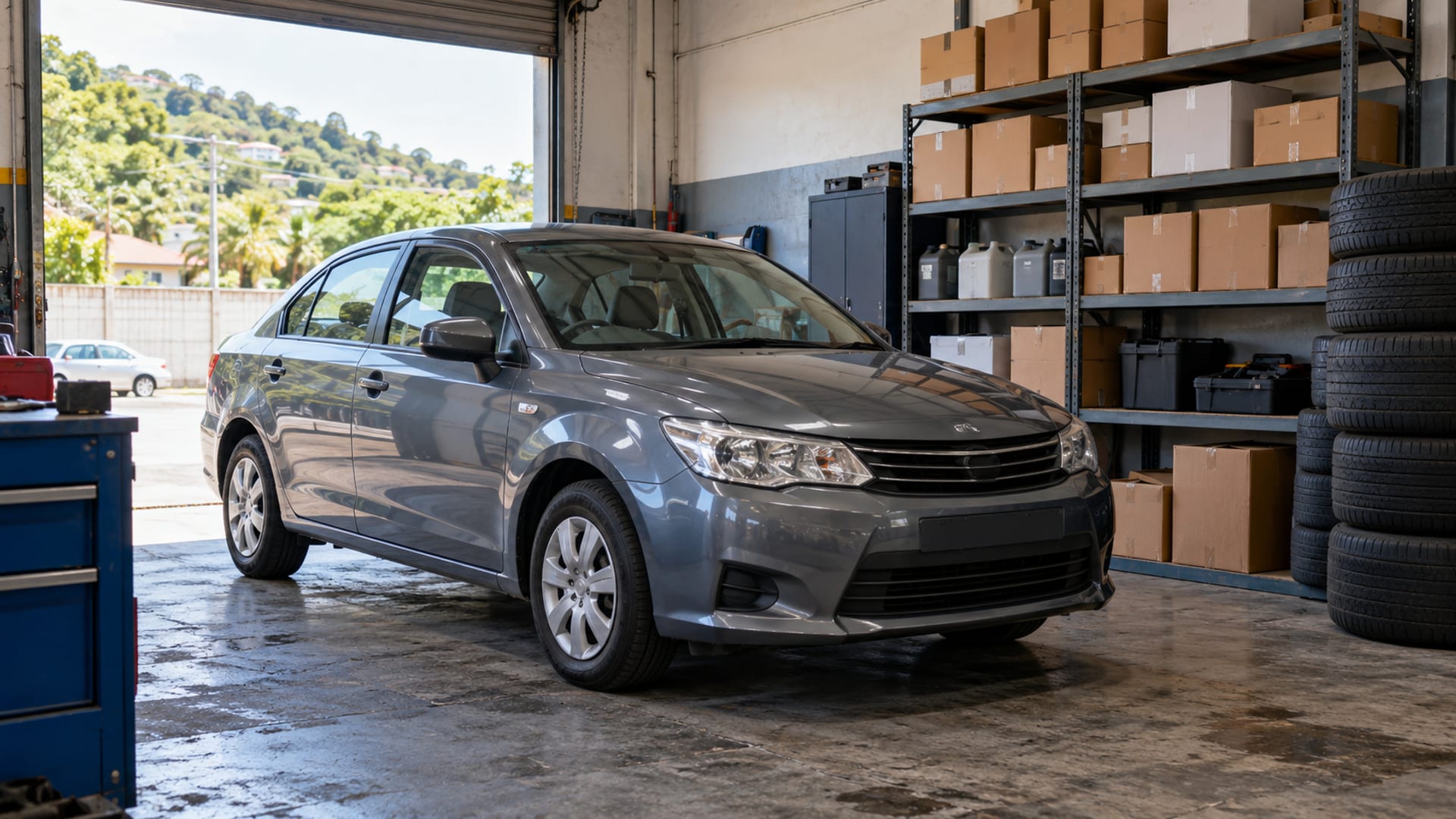
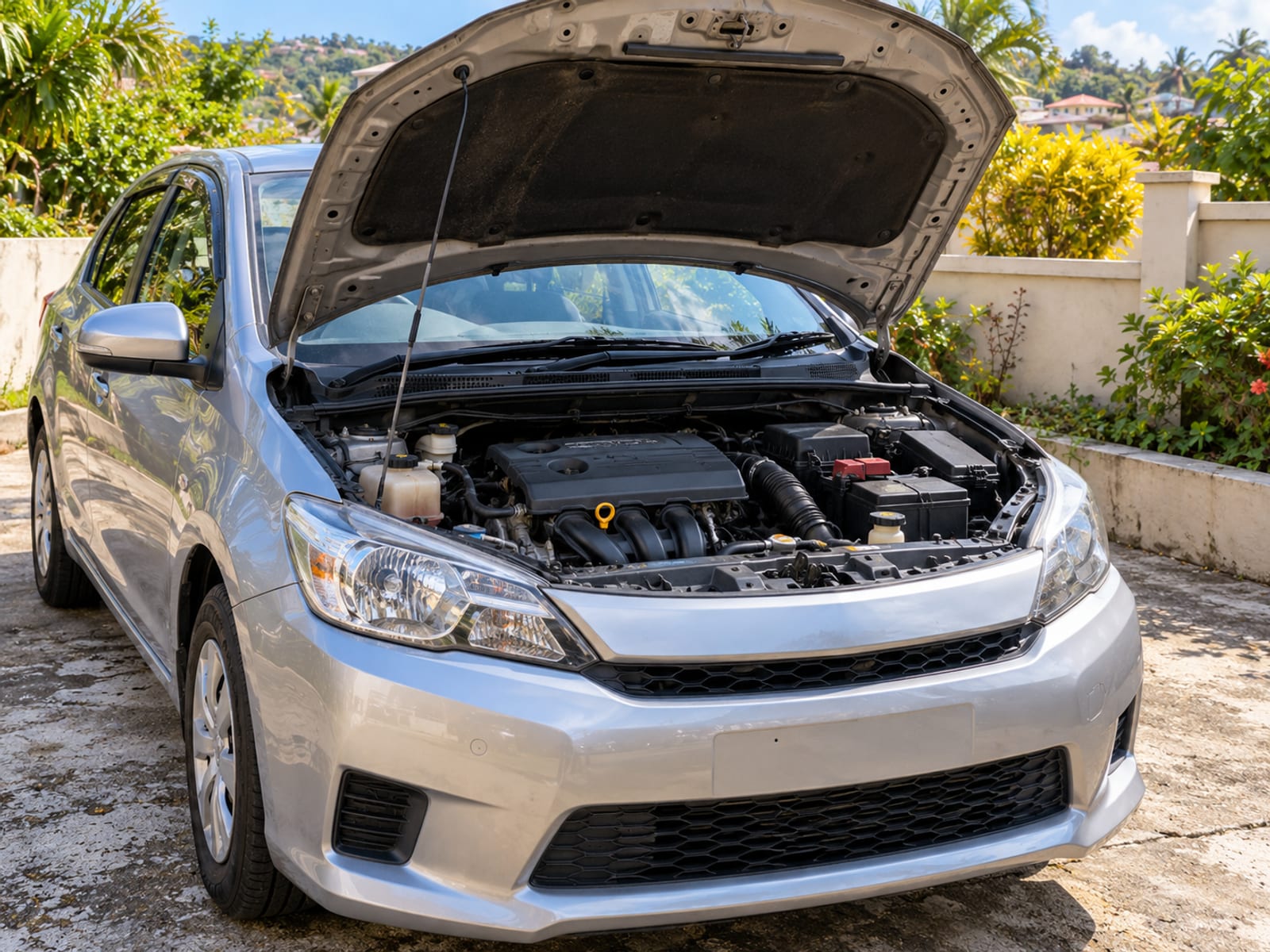 The make, model, year and engine of the car are the starting point for any parts enquiry.
Make, model and year may not settle fitment. The same vehicle name can have different engines, trims, markets or production changes. Send chassis or VIN details directly to the seller, rather than placing them in a public comment or open post.
Ask the seller to identify:
- The exact brand and manufacturer part number.
- The country of manufacture.
- Whether the item is genuine, OEM, aftermarket, remanufactured or used.
- Whether the seller can supply the item, and how long an order takes.
- Whether the seller has matched it to your make, model, year, engine and VIN or chassis number.
- Whether the part is new, previously fitted, rebuilt or in another stated condition.
The terms matter. Genuine usually means the item is being sold under the vehicle or component manufacturer’s brand. OEM means an original-equipment supplier made the part, but the product may be sold under that supplier’s brand. Aftermarket means another manufacturer made it for the vehicle. Remanufactured means a previously used component has been rebuilt to a stated standard. Used means it was previously fitted or recovered from another vehicle. For two-wheelers, see motorcycle parts in Jamaica.
Counterfeit means an item is falsely presented as another manufacturer’s branded product. Ask the seller to write the correct category on the quote and receipt.
Use the manufacturer’s own identification checks
Manufacturer guidance is product-specific. A QR code, hologram, serial number or RFID tag is not automatic proof of authenticity. First confirm that the brand uses that feature on the product line you are buying.
Ford says genuine parts may carry serial numbers, holograms, QR codes and RFID tags. It also advises checking packaging quality, instructions, spelling and the Ford or Motorcraft mark. The manufacturer lists filters, brake pads, lamps, rims, steering components, airbags, oil pumps, seatbelts, spark plugs, bearings, windshields and wipers among parts that are commonly counterfeited. You can read Ford’s counterfeit-parts guidance for the checks that apply to its products.
Ford Motorcraft guidance says most Ford parts are stamped with the Blue Oval or Motorcraft brand. If the expected mark is missing, treat that as a warning sign and ask for further confirmation. The missing mark alone does not settle the question.
Bosch describes a secure label with a hologram and a 2D DataMatrix code. Its system uses a smartphone scan, and the secure code and logo may show rainbow colours under direct light. The details are set out in Bosch’s parts authenticity brochure.
MANN-FILTER uses a Secure QR Code and ScanTrust verification. A result marked “Verified” means the code was active and genuine within that system. If a code cannot be verified, contact the seller, supplier or manufacturer and give them the code and product details. Follow MANN-FILTER’s authenticity instructions.
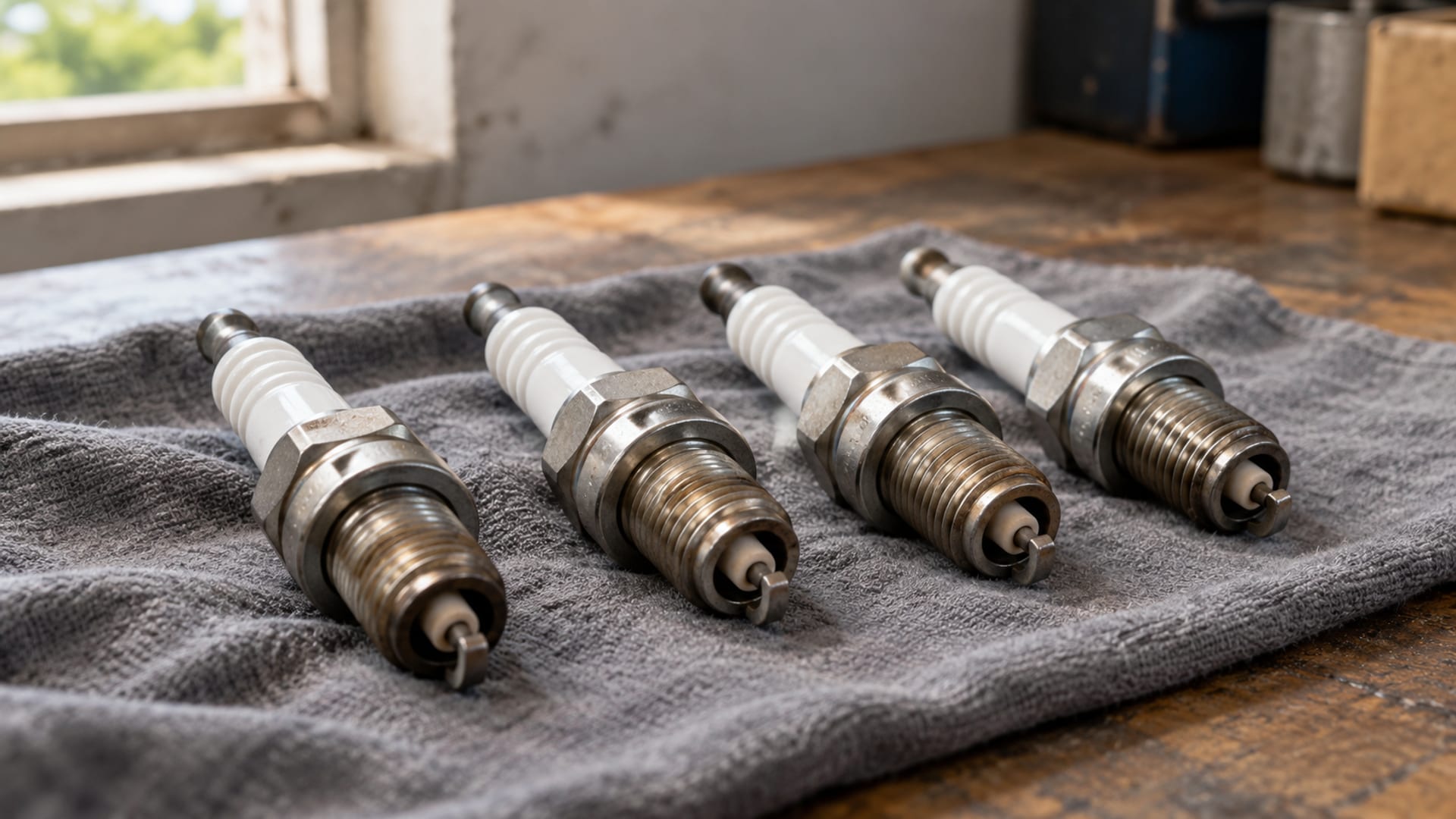
For spark plugs, NGK’s February 2019 guidance points to the product font, smudging, crimping, the C-groove, machining marks, lot number, hexagon markings and electrode shape. Its spark plug identification guidance from NGK gives the product features to compare.
DENSO identifies warning signs such as an irregular insulator shape, inconsistent ground-electrode width, poor welding, inaccurate logo embossing, spelling mistakes and suspect material coatings. Use DENSO’s spark plug comparison information when the enquiry concerns a DENSO plug.
These checks help you notice inconsistencies. The stronger process is to match the exact part number against the manufacturer’s catalogue or an authorised distributor, then have the seller state the part category and number on the receipt.
Ask for a quote that describes the whole transaction
An estimate is not an invoice or an insurance approval. Read the quote line by line and check that it covers the same item and work as any other quote you are comparing.
 Ask at the counter for a quote that names the part, the work and every charge.
Ask whether the price is for:
- The part only.
- The part plus fitting or installation.
- Labour and any diagnostic or related work.
- General Consumption Tax, usually called GCT.
- Delivery or collection.
- A core charge for a component being exchanged.
- Any other stated fee.
Ask for the currency as well. A Jamaican price should be written as J$ or JMD where clarity is needed. Keep the item specification, seller, scope and date together. A parts-only price should not be compared with a fitted price.
Ask for the written warranty period, exclusions and the person who handles a warranty claim. Ask for the return, exchange and refund conditions before payment, especially when the part must be ordered or is described as used or remanufactured.
The seller should identify the item on the receipt by brand and part number where available. A receipt that only says “car part” gives you less useful evidence than one that names the exact item.
A parts enquiry form from Stewart’s Automotive Group asks for the customer’s name, vehicle make, model and part description. The company publishes that it is a Genuine Parts dealer for Mercedes-Benz, Suzuki, Mitsubishi, Honda Motorcycle and Jaguar Land Rover. These are the company’s own published claims and policies. You can review Stewart’s parts enquiry information and ask the seller you are dealing with for its own terms.
Keep the evidence before and after payment
Save the quotation, messages, product photographs, packaging, labels, part number, payment record and receipt. If a seller gives you a written description, keep the message showing the exact words used, such as “genuine,” “aftermarket,” “remanufactured” or “used.”
If the part is already with a mechanic, ask for the brand, part number and condition before approving the work. Ask who supplied it, who gives the warranty and who handles a return if the item is wrong or defective. The mechanic’s labour quote and the parts seller’s warranty may be separate matters. Choosing a mechanic in Jamaica covers estimates, diagnosis fees and receipts.
For a branded part, ask whether the seller can provide manufacturer or authorised-distributor evidence. Do not treat a marketplace photograph, familiar packaging or a low price as proof by itself.
If you are comparing businesses in Kingston, you can review shops in Kingston. If the vehicle is in St. Catherine, use the St. Catherine shop directory. For an errand in Manchester, see shops in Manchester. Contact the seller directly about the exact item, price, fitting, collection or delivery.
What Jamaican consumer rules mean for a disputed part
The Consumer Protection Act, 2005, as amended in 2012, sets duties that can matter when a part is sold as genuine, does not match its description or proves defective. The Consumer Protection Act from Jamaica’s Ministry of Justice covers receipts, warranties, descriptions, defective goods and misleading conduct.
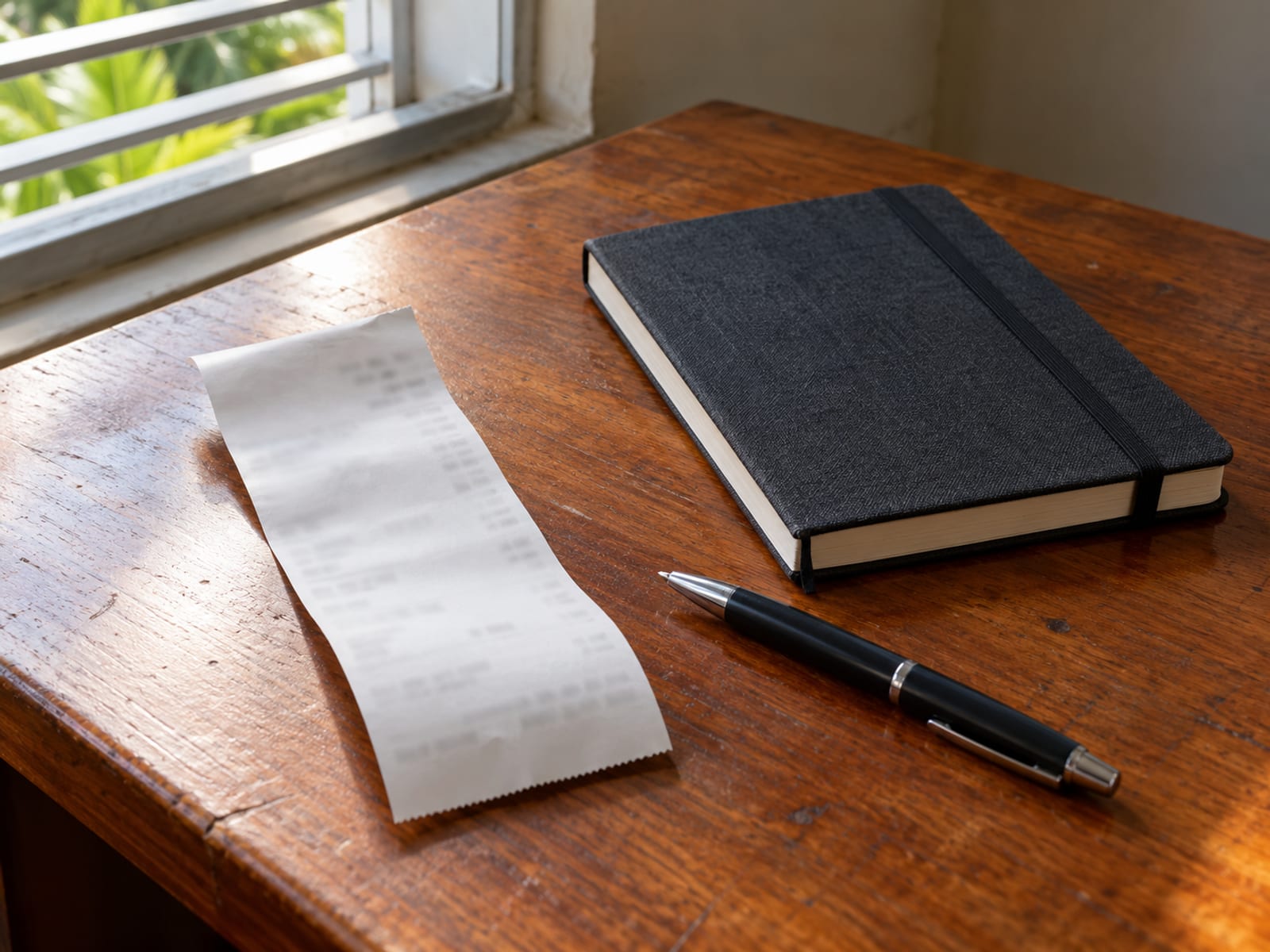 A receipt that names the part is proof of purchase if a remedy is needed.
A seller must provide a receipt showing the amount paid, purchase date, description of the goods or services and any applicable professional fee. A receipt is proof of purchase and can support a request for a refund or other remedy.
A provider must issue explicit warranties for goods or services, subject to the Act’s provisions. A manufacturer warranty attached to goods sold in Jamaica is treated as extending to the Jamaican provider, who is liable to the consumer in relation to that warranty.
Where goods are defective or materially different from the provider’s description, the consumer may return them. Depending on the circumstances, the provider may need to repair or replace the goods without cost, or provide monetary compensation equal to the value of the goods or another amount agreed with the consumer.
The Consumer Affairs Commission’s consumer rights information describes practical remedies such as repair, replacement or refund. The Fair Trading Commission’s warranty information explains that warranty obligations can apply when a provider fails to honour the warranty attached to goods or services.
If the seller does not resolve the matter, keep the receipt, quote, packaging, part number, photographs, warranty and messages. You can then contact the Consumer Affairs Commission with a clear record of what was described, paid for and supplied.
What is known about counterfeit goods in Jamaica
Counterfeit goods are an enforcement issue in Jamaica. On July 17, 2024, the Jamaica Constabulary Force reported that its Intellectual Property Unit had seized approximately J$3.35 billion worth of counterfeit goods between 2022 and 2024. The report also said 14 people were brought before the courts and convicted for breaches of the Trade Marks Act, with more than J$10 million in fines. The Jamaica Information Service report on counterfeit-goods seizures gives those figures.
That public enforcement figure covers counterfeit goods generally. It does not establish that a particular brake pad, filter, spark plug, lamp or other vehicle part was seized. For a specific item, ask the seller, police, Customs or manufacturer for case-specific information before making that claim.
The Jamaica Customs Agency’s Border Protection Division handles information about contraband, illegal imports and suspicious activity, with seizures carried out alongside local and international partners. You can read the Jamaica Customs Agency border-protection information and contact the agency about an import or border concern.
Jamaican intellectual-property enforcement material explains that Customs may suspend release of suspected counterfeit trademark goods and may seize or confiscate goods under applicable law. The Jamaica Intellectual Property Institute border-enforcement manual describes that general process.
The practical distinction is simple: counterfeit goods are prohibited and subject to enforcement; vehicle manufacturers document counterfeit parts internationally; and the authenticity of your particular part still depends on its brand, number, evidence, fitment and seller description.
Questions to put to a parts shop or mechanic
Use these questions by phone, WhatsApp or in person:
- “What is the exact brand and manufacturer part number?”
- “Is it genuine, OEM, aftermarket, remanufactured or used?”
- “What is the country of manufacture and condition?”
- “Have you matched it to my vehicle’s make, model, year, engine and VIN or chassis number?”
- “Can you supply the item, and how long does an order take?”
- “Is the quoted amount for the part only, or does it include GCT, labour, fitting, delivery, a core charge or other fees?”
- “What is the written warranty period, what exclusions apply and who handles a warranty claim?”
- “What are the return, exchange and refund conditions?”
- “Will the receipt name the exact part, brand and part number?”
- “Can you provide manufacturer or authorised-distributor evidence for this branded part?”
- “If delivery applies, what area does it cover, what is the charge and what collection or delivery date should I expect?”
- “If a mechanic is fitting it, what work is included in the labour price?”
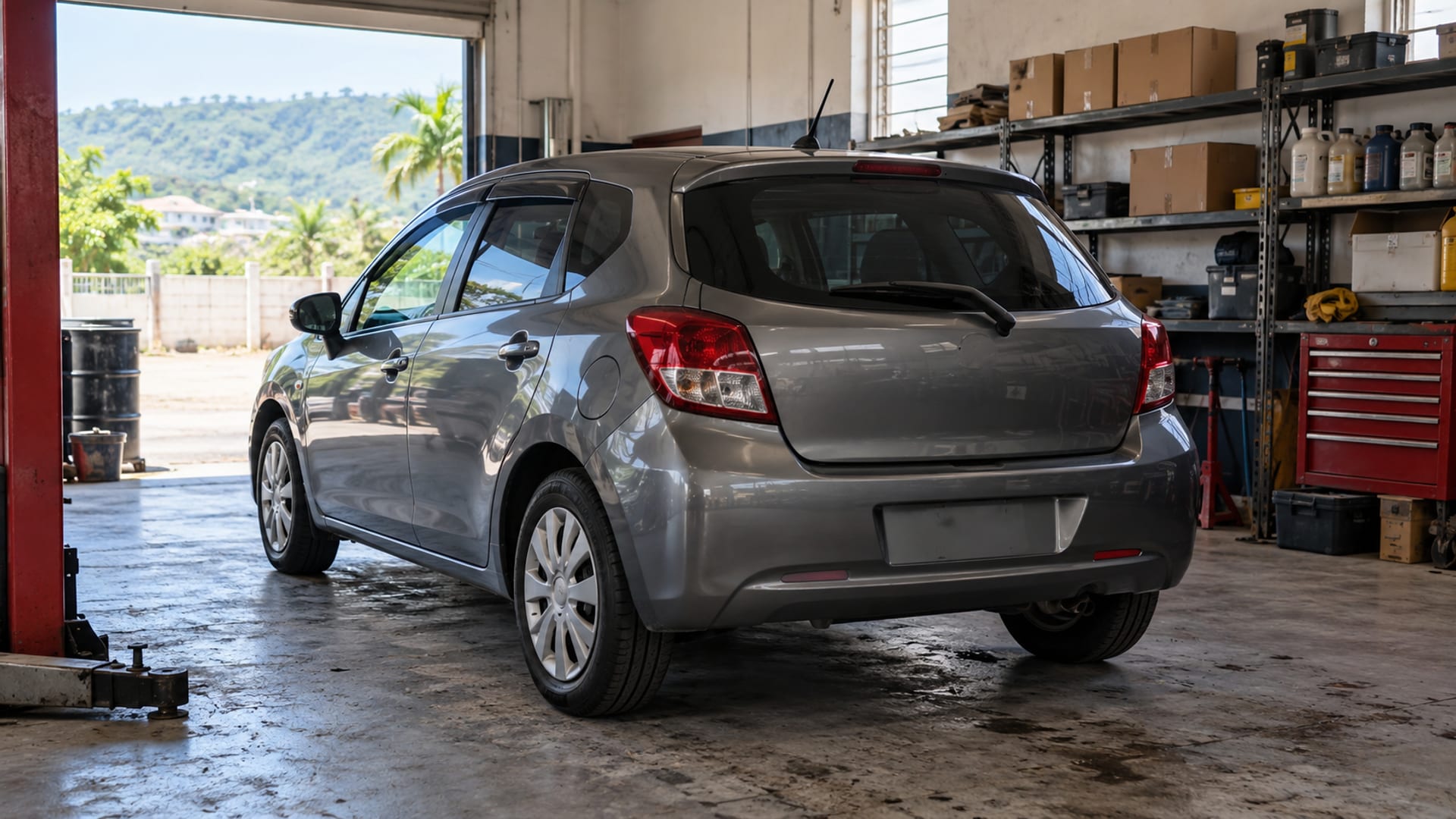
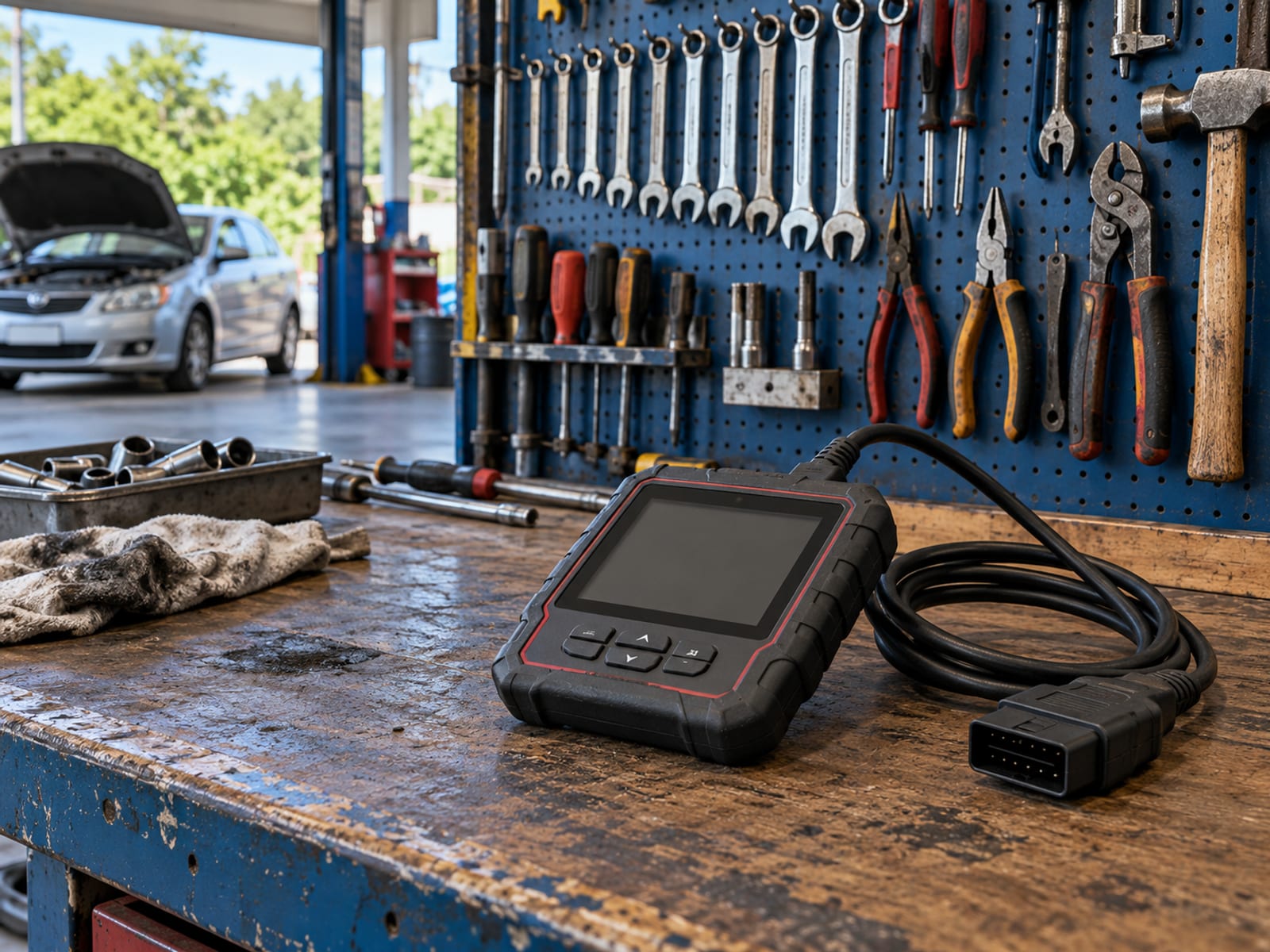 Ask a mechanic what the labour price covers when the shop fits a part you supplied.
Keep the seller’s answers with the quote. If the answers change before payment, ask for an updated written description.
Common questions
How do I know if my car parts are genuine?
Ask for the exact brand and manufacturer part number, match it against the manufacturer’s catalogue or an authorised distributor, and use the brand’s own QR, hologram, serial-number or code system where one exists. Check the packaging and part markings, ask the seller to state the category in writing, and keep a receipt naming the item.
Are fake car parts sold in Jamaica?
Counterfeit goods are subject to enforcement in Jamaica, and the Jamaica Constabulary Force reported approximately J$3.35 billion in counterfeit goods seized between 2022 and 2024. That figure covers counterfeit goods generally, so it does not establish that a particular Jamaican seller is offering a counterfeit vehicle part.
Is an aftermarket part the same as a counterfeit part?
No. An aftermarket part is made by another manufacturer for use with a vehicle, while a counterfeit part is falsely presented as another manufacturer’s branded product. Ask for the exact brand, part number, condition and warranty rather than relying on a logo or packaging style.
What should appear on my receipt?
The receipt should show the amount paid, purchase date, description of the goods or services and any applicable professional fee. Ask for the brand and part number where available, along with the category stated accurately as genuine, OEM, aftermarket, remanufactured or used.
What should I do if the supplied part is wrong or defective?
Keep the receipt, quote, packaging, part number, photographs, warranty and messages. Ask the provider for the applicable repair, replacement or refund remedy, and contact the Consumer Affairs Commission if the matter remains unresolved.
For the shop serving your area and the type of errand you have, start with the Jamaica-wide shop directory and contact the seller about fitment, price, warranty and the receipt before you pay.