Blog / Planning
Buying a used car in Jamaica: checklist, valuation and paperwork
Buying a used car in Jamaica: the documents to see, VIN and title checks, when a valuation and inspection are needed, and the steps to transfer ownership.
10 February 2026 · Updated 27 October 2026
On this page
Before you pay for a used car in Jamaica, settle three things first: the seller’s right to sell it, the vehicle’s identity, and its condition. Ask to see the title, registration, fitness, insurance and seller identification, then match the chassis or VIN and engine number to the vehicle itself. An independent mechanic’s inspection and, where needed, a valuation help you judge the price and meet a lender’s or insurer’s requirements.
The order matters. Set the full budget, check the documents before arranging a visit, inspect the car independently, put the price and terms in writing, and complete the formal transfer. A receipt or WhatsApp message alone does not transfer ownership.
Start with the full cost
Your budget should include more than the asking price. Allow for insurance, ownership transfer, licensing, inspection, valuation, financing charges and immediate maintenance. You may also need to price tyres, servicing, parts or bodywork after the inspection. If you plan to finance the purchase, see car loans in Jamaica.
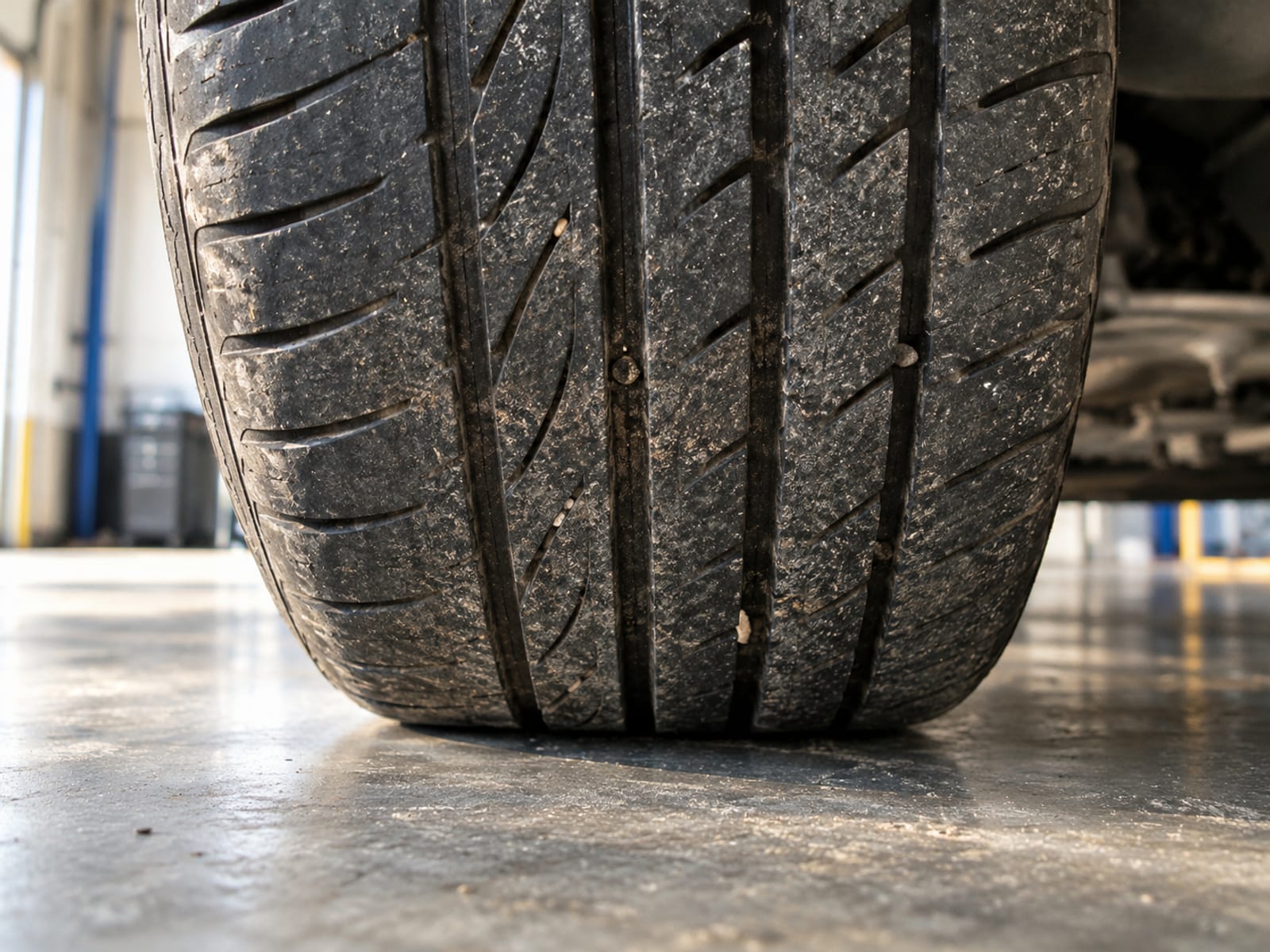 Tyres, servicing and bodywork may need pricing after the inspection.
Ask the seller for the exact asking price and currency. Confirm what it includes, such as General Consumption Tax, transfer costs, licence renewal, number plates, accessories, dealer fees or a warranty. An estimate from a seller, mechanic or insurer is not the same as an invoice or approval.
Before travelling, confirm that the specific vehicle is still available and ask for:
- The seller’s legal name.
- The registration number, chassis number or VIN, and engine number.
- The model, year, colour and current mileage.
- Whether the seller is the registered owner or an authorised representative.
- Any lien, outstanding finance, accident history, flood history or known defect.
- Whether an independent mechanic may inspect the car and whether a test drive is permitted.
- The documents that will be handed over at payment.
- The payment method, deposit terms, refund terms and delivery arrangements.
Keep chassis and VIN details private. Send them directly to the shop, mechanic, lender, insurer or authority handling your enquiry rather than placing them in a public comment.
If you are comparing cars, make sure the quotes cover the same specification. A parts-only price should not be compared with a fitted price, and an inspection estimate should not be treated as a repair invoice.
Check the seller and the vehicle documents
Before payment, ask to see the vehicle’s Certificate of Title, Motor Vehicle Registration Certificate or electronic MVRC, Certificate of Fitness or e-Fitness, insurance certificate or cover note, and valid identification from the seller. Tax Administration Jamaica’s motor vehicle transfer procedure describes the documents and transfer steps used at Tax Offices.
The seller should surrender the existing title, fitness certificate and licence certificate for the transfer. The buyer applies for the new title using Form MV01 under the Road Traffic Regulations and Form MV01.
Match each document to the vehicle. Check the:
- Registration number.
- Make and model.
- Colour and year.
- Engine number.
- Chassis number or VIN.
- Registered owner’s name.
- Fitness and insurance status.
Compare the chassis or VIN and engine number physically with the numbers recorded on the documents. The numbers should be legible and consistent. If the seller’s name does not match the registered owner, ask for properly recorded authority to act and confirm the transfer requirements with Tax Administration Jamaica.
Ask whether a lien or other encumbrance appears on the title. If one is recorded, ask for a discharge of lien before completing the purchase or obtain advice from an attorney about the proposed transaction.
A current insurance document proves the insurance information shown on that document. It does not by itself establish that the vehicle is free of liens, stolen status, structural damage or mechanical defects.
Tax Administration Jamaica’s electronic registration information explains that insurance and fitness records are checked through the relevant electronic systems. You can ask the authority how the current electronic MVRC or e-Fitness record will be handled for your transfer.
Ask the seller to complete the title endorsement and transfer in the presence of a Tax Administration Jamaica officer. Keep the seller’s identification details, the signed sale agreement, payment record and copies of every document. How to transfer a car title in Jamaica walks through that step.
For an imported used vehicle, ask for the import documents and, where applicable, the Pre-Shipment Inspection certificate. The Jamaica Customs Agency’s import document requirements include documents such as the import licence, title or export certificate, bill of lading, invoice, Tax Compliance Certificate and customs declaration. Compare the recorded chassis number and odometer reading with the vehicle.
Inspect identification numbers carefully
Jamaica Information Service reported on July 13, 2026 that Jamaica Constabulary Force officers urged buyers to examine vehicle identification numbers before completing a purchase. The JIS report on vehicle identification numbers describes the VIN as carrying the chassis number, engine number, manufactured date and colour.
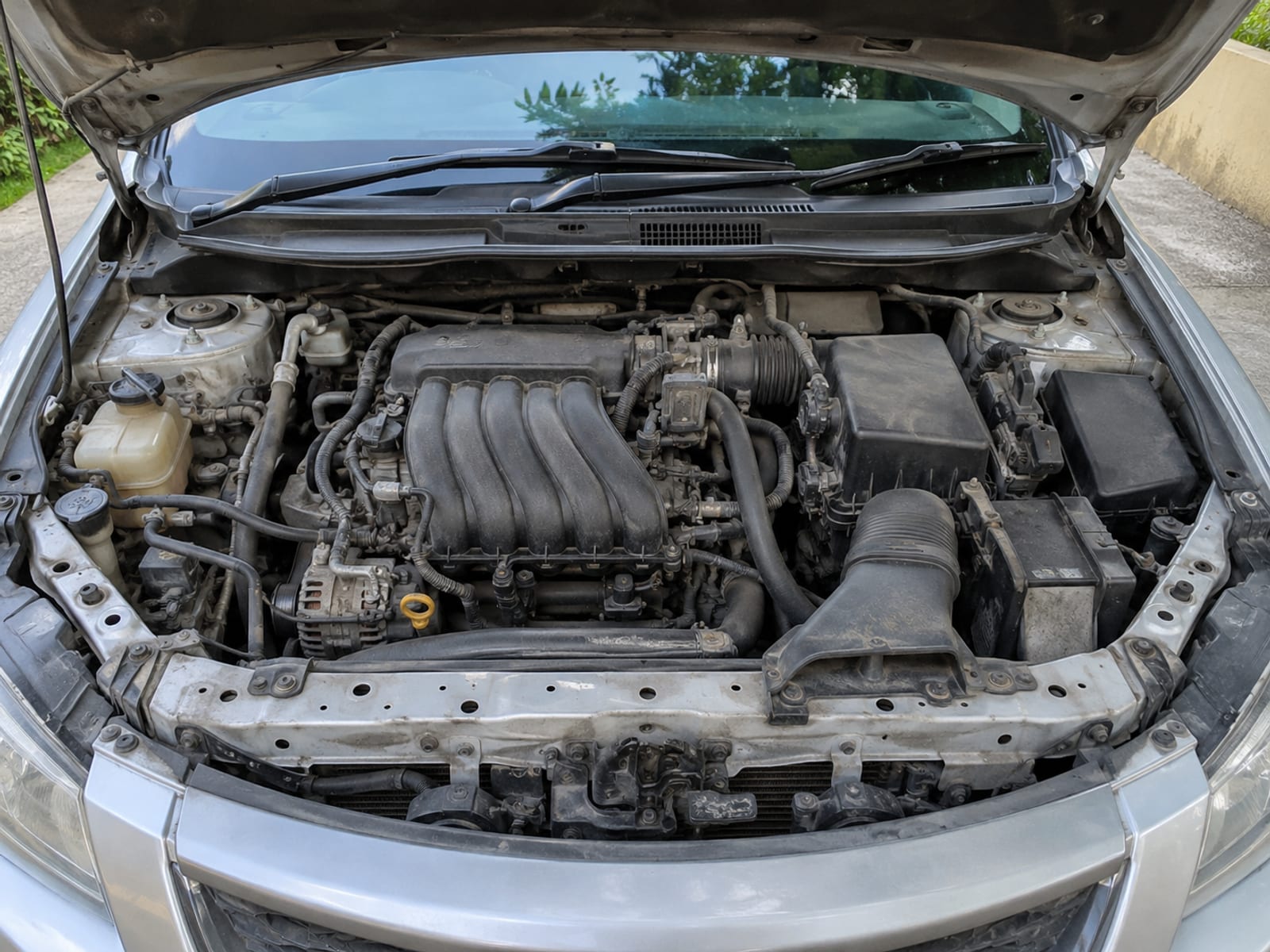 Match the engine number and chassis number on the car to the papers.
Look for numbers that are clear and consistent with the paperwork. If identification appears tampered with, police may seize the vehicle and send it to the Serial Number Restoration Unit for forensic examination. The original chassis number may be restored through etching and checked against records of vehicles reported stolen.
The same report describes car cloning as two vehicles displaying the same characteristics, such as colour, licence plate, chassis number and engine number. A separate Jamaica Constabulary Force vehicle case shows why matching documents should still be checked against the physical vehicle and the relevant authority’s records.
Before paying, ask the seller to complete a formal ownership transfer. Ask the relevant registry or police vehicle unit how to verify the vehicle’s identity and title. Keep copies of the seller’s identification, sale agreement, payment record and vehicle documents.
Compare the sale terms for a dealer or private seller
The Consumer Affairs Commission advises buyers to research the vehicle, compare prices, inspect it thoroughly, ask why it is being sold, have the condition checked by an experienced mechanic, examine the sale terms and obtain proper receipts and written warranty details. Its car buying and care material also gives practical points for comparing a vehicle’s condition, fuel needs, tyres and parts availability.
For a dealer sale, ask for the vehicle’s exact description, model year, mileage, included accessories, price, warranty, delivery terms and payment terms in writing. The Fair Trading Commission states that the Ministry Paper on used vehicles provides a 90-day or 5,500-kilometre used-vehicle warranty period, whichever comes first, as described in its used-vehicle warranty guidance.
Ask whether the dealer is offering the vehicle “as is where is.” The Fair Trading Commission says an as-is-where-is sale may exclude a warranty and a right to return the vehicle. Put the dealer’s wording in the sale agreement and keep the advertisement, pro-forma invoice, warranty, receipts and messages.
For a private sale, use a written sale agreement identifying:
- The vehicle, registration number, chassis or VIN and engine number.
- The price and currency.
- The deposit and payment date.
- Included items and accessories.
- Known defects.
- Each party’s legal name and identification details.
- The documents to be handed over.
- The date and process for the ownership transfer.
The Consumer Affairs Commission’s consumer matters publication explains that a buyer generally has less consumer-law protection when purchasing from a private seller than from a registered business. The written agreement and general sale-of-goods and contract rules therefore matter greatly in a private transaction.
The Consumer Protection Act and Sale of Goods Act contain obligations concerning the seller’s right to sell, the buyer’s quiet possession, undisclosed charges or encumbrances, description, quality and fitness in specified circumstances. You can read the Consumer Protection Act and Sale of Goods Act, then ask the Consumer Affairs Commission or an attorney about the facts of your transaction.
Arrange an independent inspection
A mechanic’s inspection is useful before committing to a used vehicle, particularly when the car is privately sold, older, imported, has accident or flood history, has uneven tyre wear or warning lights, or is being financed or insured subject to an inspection.
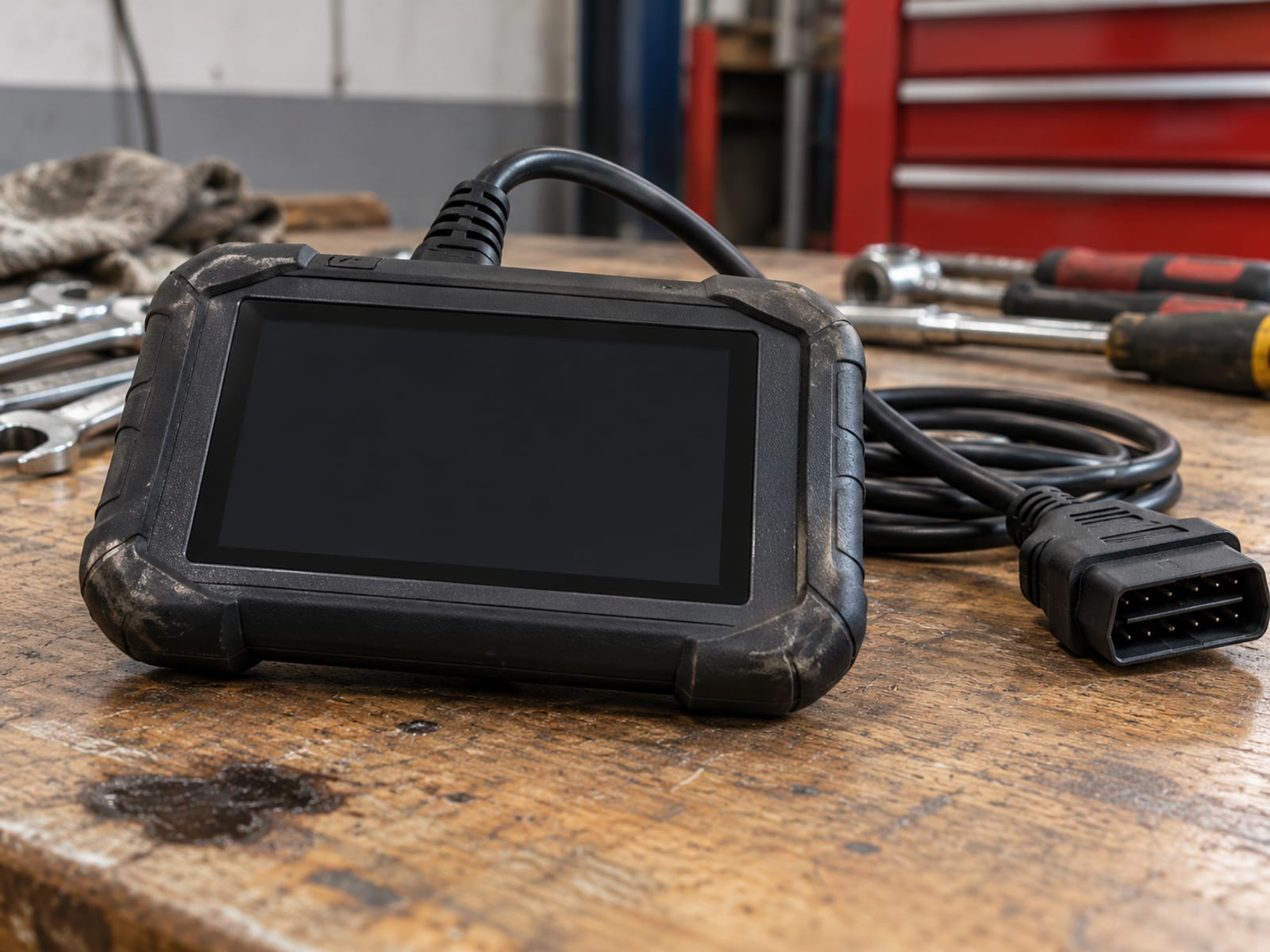 Ask the mechanic what the inspection covers and how the report is delivered.
Ask the mechanic for:
- The inspection price and currency.
- The appointment availability.
- The inspection scope.
- A written-report format.
- The expected report turnaround.
- Any limits on testing.
- Whether the mechanic will identify observed defects, signs of repair or structural damage, tyre condition, leaks and warning lights.
- Which items require further testing.
The inspection should be independent of the seller. It gives you evidence about the vehicle’s condition at that time. It is not a promise about future reliability and should not be treated as an insurance approval.
When asking about a vehicle’s suitability, provide the mechanic with the make, model, year, engine or trim details, chassis or VIN and any import information. A model name alone may not settle parts fit, tyre size or service needs. For parts enquiries, start with auto parts shops and give the identifying information directly to the shop.
For repairs or further assessment, ask a business listed among mechanics and repair shops what the quoted work includes. Ask whether the price covers diagnosis, labour, parts, related work and GCT, and request any parts specification in writing.
Get a valuation when the lender or insurer requires one
A valuation is an independent estimate of the vehicle’s value. It may be needed when a lender or insurer requires one, especially for a used vehicle being financed or used as loan security.
Requirements differ by lender, vehicle age, loan product and intended use. Ask the lender which valuators it accepts, the maximum report age, whether a mechanical report is required and whether the lender pays the seller or buyer.
Published examples include:
- CIBC Caribbean requires a current valuation for a pre-owned vehicle, no older than three months, together with a pro-forma invoice or sale agreement, as stated in its vehicle loan checklist.
- Scotiabank Jamaica lists a valuation report for a used or individually owned vehicle and asks for title, registration, fitness and insurance documentation for an automobile loan, according to its loan application checklist.
- Jamaica Police Co-operative Credit Union requires a valuation report no more than three months old. For a vehicle used as collateral that is more than 10 years old, its auto loan requirements also refer to a mechanical report indicating that the vehicle remains roadworthy and can be comprehensively insured.
- VM Group’s published checklist refers to a valuation report for pre-owned vehicles that is not older than six months.
A lender’s valuation requirement does not settle whether the vehicle suits your budget. Compare the valuation with the asking price, inspection findings, insurance cost, financing cost, parts availability, tyre cost and expected servicing.
Ask the right questions about parts, tyres and servicing
A car can meet the paperwork requirements and still be a poor fit for your daily use. Ask whether parts, tyres and qualified service are available for the exact model year, engine, transmission and imported specification.
 Ask the parts shop whether a quote is for the part only or includes fitting.
Ask a parts shop:
- Can you identify the part from the make, model, year, engine, trim and chassis or VIN?
- Do you need the old part, a part number or a photograph?
- Is the quoted item new, original-equipment, aftermarket, remanufactured or used?
- Is the price for the part only or does it include fitting?
- Is GCT included?
- What warranty terms are written on the quotation?
- What return or exchange terms apply?
- Can you provide the part specification in writing?
For tyres, ask about the size, load rating and specification recorded for your vehicle. Tyre choice should come from the vehicle maker’s information and the exact vehicle specification, not a generic size. You can compare questions with tyre shops, then confirm compatibility directly with the selected shop.
For a wash, detailing, body inspection or glass work, ask what the quoted service includes, which materials are used, whether the work is parts-only or labour-inclusive, and whether GCT is included. A car wash or detailing price should be kept separate from a bodywork or windscreen quote.
Complete the transfer and organise the next documents
At payment, use the agreed method and keep proof of payment. Obtain the signed sale agreement, receipt, seller identification details and copies of the title, registration, fitness, insurance and import documents.
Complete the ownership transfer through the prescribed process. The seller endorses the title, and the buyer submits the transfer and title application requirements. The Tax Administration Jamaica transfer notice says the transfer is conducted in the presence of a TAJ officer, with the title, Certificate of Fitness, Motor Vehicle Registration Certificate and authorised identification presented where applicable.
Obtain the updated Certificate of Title and registration in your name. Arrange insurance in the new owner’s name with the correct vehicle use and coverage. Ask the insurer about the effective date, inspection requirement, accepted valuation report, excess, exclusions and intended-use classification.
Jamaica Information Service has described changes involving electronic fitness and registration certificates. Ask the relevant authority how the current electronic documents will be verified and retained. Keep the valuation, mechanic’s report, import records, warranty, receipts and written communications together.
If the vehicle is financed, provide the lender with the updated title, registration, insurance endorsement and any required lien or security documents. If it is used for a regulated public or commercial service, ask the Transport Authority about the applicable change-of-vehicle records.
Common questions
What to check when buying a used car in Jamaica
Check the seller’s identity and authority to sell, then match the title, registration, fitness and insurance documents to the registration number, VIN or chassis number, engine number, make, model, colour, year and owner’s name. Have an independent mechanic inspect the vehicle and obtain a valuation when a lender, insurer or your budget requires an independent estimate.
What to do after buying a car in Jamaica
Keep the signed agreement, receipt, seller identification, copies of the vehicle documents, inspection report and valuation. Complete the formal transfer, obtain the updated title and registration, arrange insurance in your name, and ask the relevant authority or lender about electronic documents and security records.
What are the most reliable cars in Jamaica?
There is no universal reliability ranking that applies to every used vehicle in Jamaica. Compare the exact model year, engine, transmission, import history, maintenance record, parts and tyre availability, fuel requirements, insurance cost and inspection findings.
Do I need a valuation before buying a used car?
You need one when the lender or insurer requires an independent estimate, or when you want a separate reference for the asking price. Ask the chosen lender or insurer which valuator it accepts and how recent the report must be.
Can a current fitness certificate prove that a car is mechanically sound?
No. It records the vehicle’s fitness status under the applicable process, while an independent mechanic’s inspection considers observed condition, defects and items needing further testing. Ask the mechanic for a written report and keep it with the purchase documents.
For the next call, use the Jamaica-wide shop directory or the parish page for the area where you are arranging the inspection, parts enquiry or service.